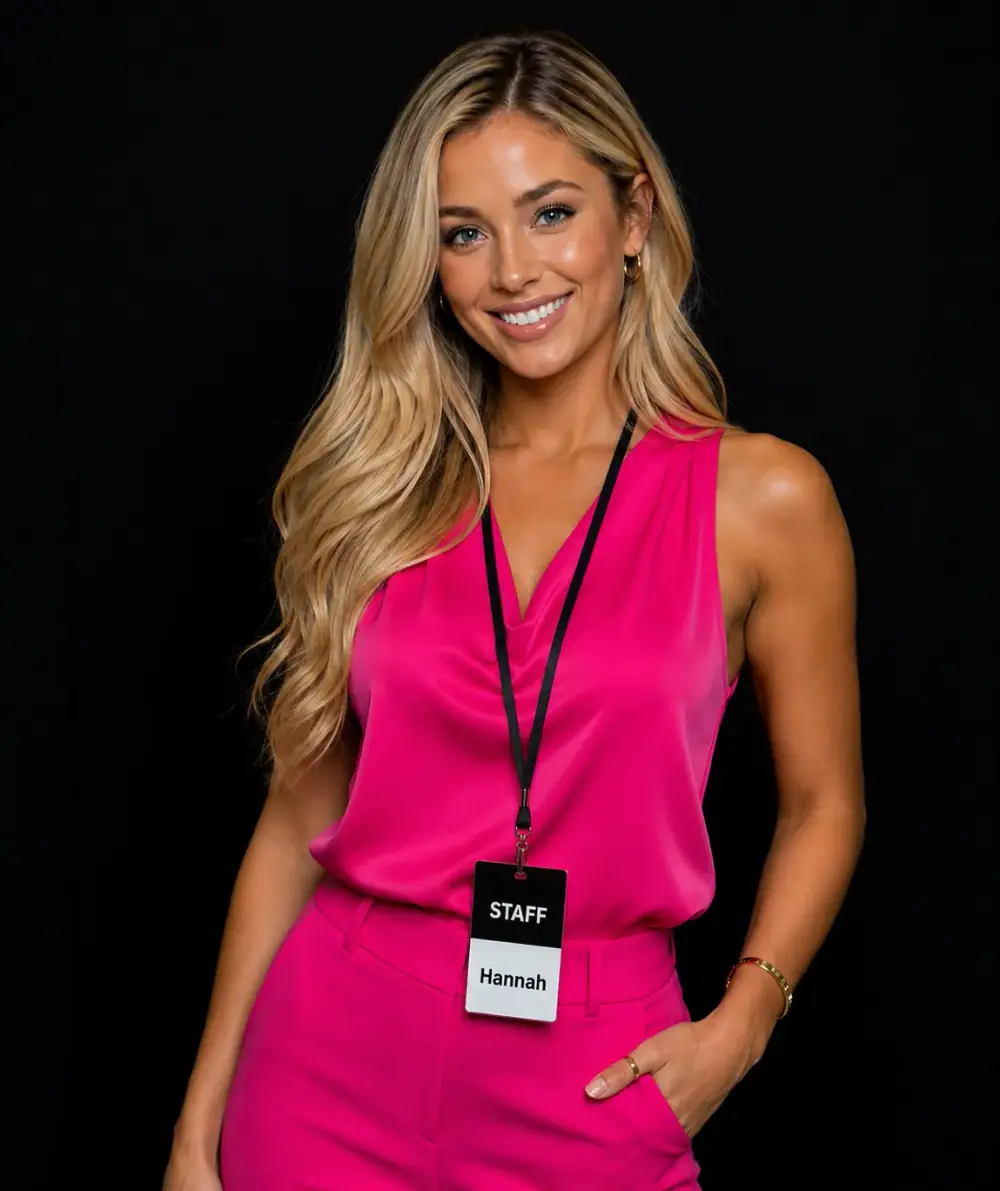
Give your Boston event a trained first point of contact. Staff the role before the floor gets busy.
Boston trade show models support front-of-booth greeting, visitor qualification, lead capture and introductions to your sales team. TSM Agency recruits local talent and coordinates profile selection, briefing and the booked schedule. Choose people for the communication skills and responsibilities your exhibit requires. For a program spanning several roles or locations, start with our Boston event staffing hub. Boston-specific summary context: Seaport halls, Logan arrival windows, biotech buyers, medical-device demos, Cambridge shuttles, Harborwalk hotels, Fort Point receptions, scientific poster traffic and Longwood hospital audiences shape the staffing brief. Trade show model planning in Boston should account for BCEC Seaport walks, biotech badge traffic and handoffs to medical or scientific specialists.
Choose the responsibilities before choosing the person.
Use trade show models when the biggest problem is aisle traffic turning into qualified booth conversations. Strong fits include product categories with visual appeal, crowded exhibit aisles, new product launches, demo theaters, vehicle or equipment displays, and shows where your sales team needs a steady flow of screened introductions instead of a stack of cold badge scans.
Give staff an opening prompt and a way to identify the visitor's reason for stopping.
Define which answers require a sales handoff and which information should be recorded.
Confirm product preparation and specialist escalation for any demonstration assignment.
An active event floor creates more conversations than one internal team can handle at once. A defined trade show model role gives visitors a clear starting point and gives your specialists more time for the conversations only they can handle. The brief should establish who you want to meet, what staff should ask and which colleague should receive each introduction.
BCEC and nearby venues each have different entrances, badge rules and room layouts. Send the current floor plan, reporting point and contact number before the event. Local residence is not proof of experience in a particular building, so confirm relevant experience during selection.
In Boston, a practical brief often starts with Seaport timing: freight doors, hotel shuttle plans, badge pickup and the walk between exhibit halls and reception rooms. Medical and biotech exhibitors should separate clinical or scientific questions from the opening booth conversation so local staff can route the right visitor without overstepping the approved script.
Boston operating notes: Seaport traffic, BCEC Hall A, BCEC Hall B, BCEC Hall C, Lawn on D, Summer Street arrival, Harborwalk hotels, Logan flight timing, Fort Point receptions, Back Bay overflow, Cambridge biotech shuttles, Kendall Square buyers, Longwood hospital systems, university research, seafood importers, robotics demos, biotech poster traffic, medical-device handoffs, pharma compliance language, scientific abstract questions, clinician escalation, badge pickup queues, waterfront wind, union desk locations, buyer badges, investor dinners, lab automation demos, life-science partnering, specialty-food sampling, hotel-block pressure, Innovation District breakfasts, aquarium receptions, D Street staging, Congress Street hotels, Fenway satellite events, MIT founders, Harvard teaching hospitals, vaccine researchers, oncology exhibitors, seafood cold-chain demos and pharma sample restrictions.
That local context should show up in the staff brief. For trade show models, include the phrases staff may use, the visitor types they should prioritize, where they should stand, how they should record notes and when they should stop the conversation and bring in your representative.
Staff can greet attendees, invite the right people into your space, explain approved talking points, record interest and introduce qualified visitors to your representative. Decide what qualifies for a demonstration, a meeting request, a sample handoff or a later follow-up rather than treating every scan as the same kind of lead.
Specify the lead-retrieval tool, account access, required fields and backup process before the show. If the role includes product handling or demonstration support, include preparation and a clear boundary for technical questions. Use the lead-qualification script guide to prepare your conversation and handoff prompts.
For Boston, anchor the role to ISTE, Festival of Biologics, seafood, biotech, medical, education and technology programs. The same staff profile may not fit a technical buyer conversation, public sampling moment, sponsor reception and appointment desk. Define the audience first, then choose the experience level, attire and lead notes that match the job.
Boston operating notes: Seaport traffic, BCEC Hall A, BCEC Hall B, BCEC Hall C, Lawn on D, Summer Street arrival, Harborwalk hotels, Logan flight timing, Fort Point receptions, Back Bay overflow, Cambridge biotech shuttles, Kendall Square buyers, Longwood hospital systems, university research, seafood importers, robotics demos, biotech poster traffic, medical-device handoffs, pharma compliance language, scientific abstract questions, clinician escalation, badge pickup queues, waterfront wind, union desk locations, buyer badges, investor dinners, lab automation demos, life-science partnering, specialty-food sampling, hotel-block pressure, Innovation District breakfasts, aquarium receptions, D Street staging, Congress Street hotels, Fenway satellite events, MIT founders, Harvard teaching hospitals, vaccine researchers, oncology exhibitors, seafood cold-chain demos and pharma sample restrictions.
A trade show model assignment is booth-front work. Prioritize posture, approachability, fast visitor sorting, badge-scan discipline, lead-note accuracy and clean handoffs to account owners. The model should know the first question, the disqualifying signals, the product phrases that are approved and the moment to bring in a salesperson. This is not a sampling-only position and not a general hospitality role; it is the human entry point to your exhibit pipeline.
Set a clear handoff: who greets the visitor, what information is captured and which team member takes the next conversation.
Send the exact venue, room and entrance for your assignment.
For the trade show model assignment, write the call sheet around aisle position, opening lines, badge scanning, qualification prompts, sales handoff names, product-display boundaries, demo invitations and end-of-shift lead reconciliation. This staffing plan should read like booth pipeline support.
For BCEC, provide the building, hall, booth number, staff entrance, badge collection instructions and on-site contact. Set the reporting time separately from the public opening time so you can include briefing and equipment checks in the requested shift. Use the current exhibitor manual for access, move-in and contractor requirements.
For Hynes Convention Center, Seaport hotel ballrooms, the Omni Boston Hotel at the Seaport, the Westin Boston Seaport District and Cambridge meeting venues, send the location's instructions instead of reusing a generic convention-center brief. Agree on where staff should stand, the boundaries of the assignment, break coverage and who receives a qualified introduction. Include reception or after-hours duties explicitly.
TSM's published staffing range is typically $50-$85 per hour, with a four-hour minimum. Your quote depends on duties, dates, hours, attire, language needs, product preparation and team size.
Technical demos, languages and lead-capture requirements can change the rate.
Early reporting, late receptions and split shifts should be scoped before booking.
Parking, badges, training and check-in rules affect the final plan.
"We flew a couple of employees to work the show and… we will never do that again. Professional models were far better at generating leads for us… well prepared, dressed professionally, kept up an amazing energy during every day of the show."
TSM is a woman-owned event staffing agency founded in 2005. Your account executive helps define roles, review profiles and prepare the selected team for the specific show.
We check availability for the city and assignment rather than assuming a national roster fits every date.
You review proposed talent before confirming the team.
Staff work from your approved talking points, schedule and handoff rules.
A woman-owned talent agency co-founded by Caryn Hanna, a former professional model.
More than 20 years of trade show and event staffing experience.
More than 2,000 trade shows, conventions, and promotional events staffed across the United States.
Over 2,000 experienced trade show models, brand ambassadors, and promotional staff across 25+ U.S. cities.
Rated 5.0 stars on Google Reviews based on verified client feedback.
A member of Meeting Professionals International (MPI), the largest global community of meeting and event professionals.
Fully insured with $1M per occurrence and $2M aggregate general liability. Certificates of insurance available on request.
Local recruitment across 25+ U.S. city markets. Confirm talent availability, relevant venue experience and any travel charges for your booking.
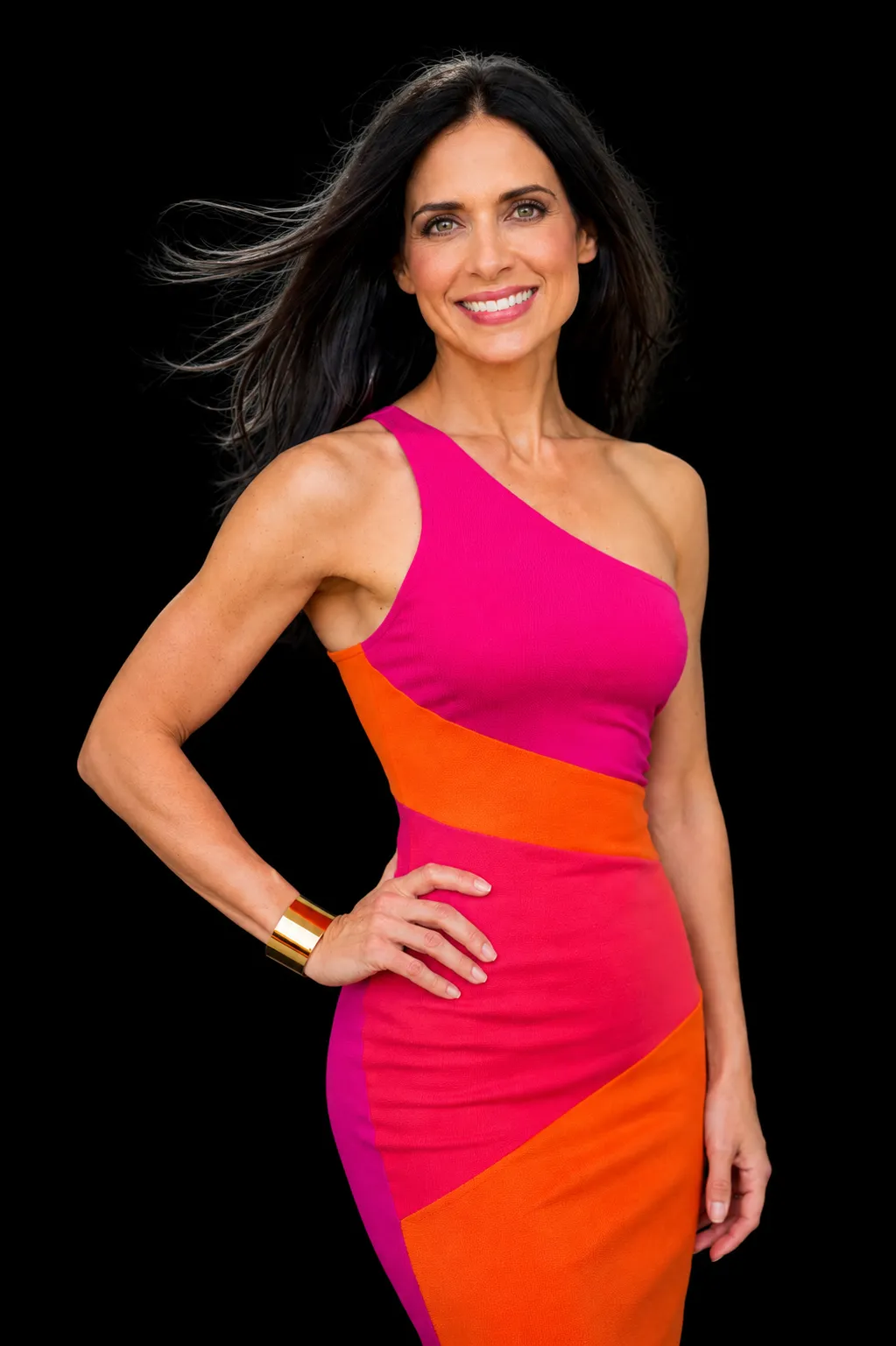
A note from our owner Caryn Hanna