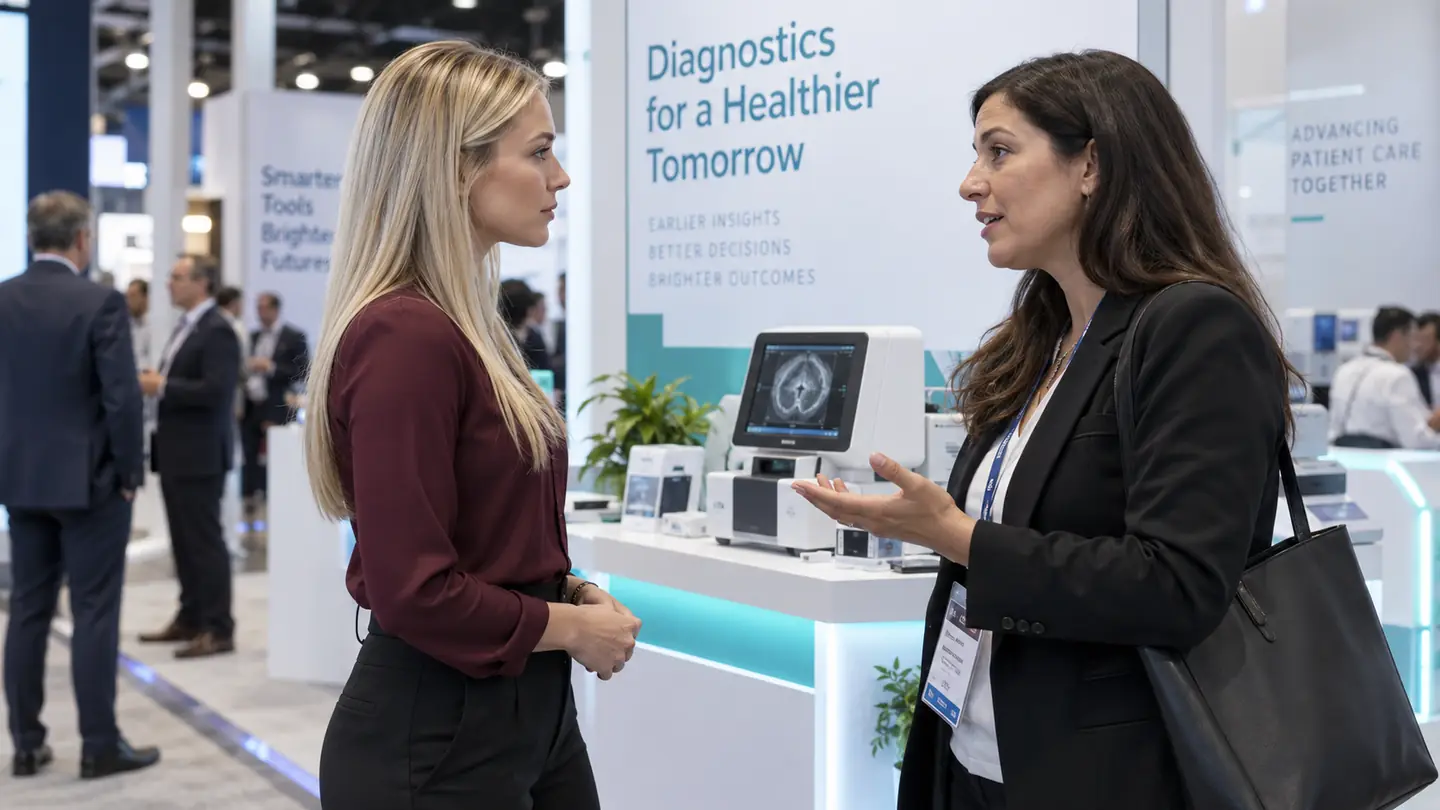
Trade Show Lead Qualification Scripts
Start a human conversation, discover fit, capture context, and create a clear next step-without turning the booth into an interrogation.
A badge scan records identity. Qualification records why the person matters and what should happen next. The best script is a flexible sequence, not a speech: opener, discovery, fit, timing, handoff, notes.
Traditional frameworks such as BANT, CHAMP, and MEDDIC can inform the questions, but a busy aisle is not a discovery call. Ask only what is necessary to route the visitor and earn the next conversation.
Build the capture and handoff process into your booth staffing plan. For the welcome and appointment desk, consider booth hosts and trade show greeters briefed on the same qualification questions.
Build your lead qualification scorecard and handoff
Use the existing guide below to complete this working document. Download the blank template, or expand the fields and download your entries for editing and approval by your team.
Download blank template (.txt)
Fill in the worksheet
Campaign goal; ideal customer; relevant roles; fit signals; situations that should be routed elsewhere.
Choose an opener and the few questions needed to understand challenge, use case, decision role, timing and the next useful action.
Define your A / hot, B / warm, C / nurture and D / non-sales categories. Define when to escalate to a product specialist or sales owner. Use campaign-specific criteria; these are example labels, not automatic scores.
Contact; company; role; challenge; use case; current approach; decision role; timing; requested content or action; preferred channel; consent record; verbatim note.
You are working on [challenge] and evaluating [timeframe]. [Name] is our specialist in [area]. Let me introduce you and share the context.
Requested next step; owner; due date; agreed channel; handoff status; result. A badge scan alone does not establish qualification.
Test a buyer, an early researcher, an existing customer and a non-sales visitor. Check opener, listening, question choice, notes, routing and next step.
Entries stay in this page until you download them. Reloading clears the fields. Nothing is sent to TSM, and this document does not submit a quote or booking. Blank fields remain marked NOT ENTERED.
Openers That Earn a Response
Avoid questions that invite one-word answers, such as Are you enjoying the show? Connect the opener to the visitor, category, or booth promise.
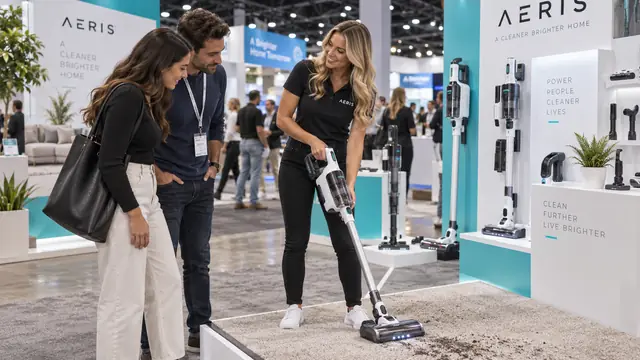
- Context opener: “What brought you to the show this year?”
- Goal opener: “What are you hoping to improve in this area?”
- Current-state opener: “How are you handling this today?”
- Demo opener: “Would it be useful to see how this works in ninety seconds?”
- Role opener: “Which part of this process are you responsible for?”
Ten Useful Qualification Questions
Choose three to five that fit the campaign. Do not fire all ten in order.
- Challenge: “What is the biggest problem you are trying to solve?”
- Impact: “What happens when that problem is not fixed?”
- Current approach: “What are you using or doing now?”
- Priority: “What matters most in a solution?”
- Use case: “Where or how would your team use this?”
- Fit: “How large is the team, location, or program involved?”
- Decision role: “Who else is involved in evaluating this?”
- Timing: “Is this a current-quarter priority, later this year, or early research?”
- Next action: “Would a technical demo, sample, pricing conversation, or follow-up next week help?”
- Preference: “What is the best way and time for the team to follow up?”
BANT, CHAMP, or MEDDIC at a Booth
BANT covers budget, authority, need, and timing, but can feel blunt and assumes the visitor knows every answer. CHAMP starts with challenges and can feel more natural at an event. MEDDIC supports complex enterprise sales but is normally too deep for an initial booth conversation.
Use the client's actual ideal-customer profile. Discover challenge and fit first. Ask about decision process, timing, or budget only when appropriate to the product, visitor, and stage.
Handoff and Exit Scripts
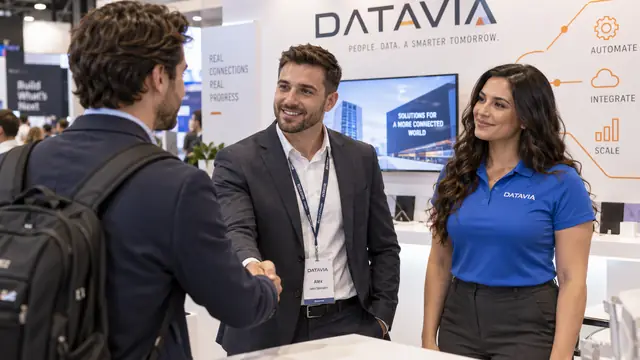
For a qualified handoff: “You are working on [challenge] and evaluating [timeframe]. Jamie is our specialist in [area]. Let me introduce you and share what you have told me so you do not have to start over.”
For follow-up: “It sounds like a deeper conversation after the show makes sense. May I note [requested action] for [preferred date or channel]?”
For a polite exit: “It sounds like [resource or area] is the best fit today. Let me point you there so you can keep exploring the show.” A respectful disengagement protects time without making the visitor feel dismissed.
If the receiving colleague is busy, record the requested next action and notify the named backup or follow-up owner. Do not mark a handoff complete until someone accepts responsibility. Rehearse that exception alongside the normal introduction.
A Simple Lead Scoring Card
Customize labels to the sales process. A useful event model is: A or hot-strong fit, defined need, and concrete next step; B or warm-fit and interest, but timing or authority is incomplete; C or nurture-relevant but early; D or non-sales-press, vendor, student, job seeker, or outside target.
Capture contact, company, role, challenge, use case, current approach, decision role, timeframe, requested content or action, owner, due date, consent and preferred channel, and a verbatim note. Keep privacy and consent rules aligned with the lead system and jurisdiction.
Train With Role-Play
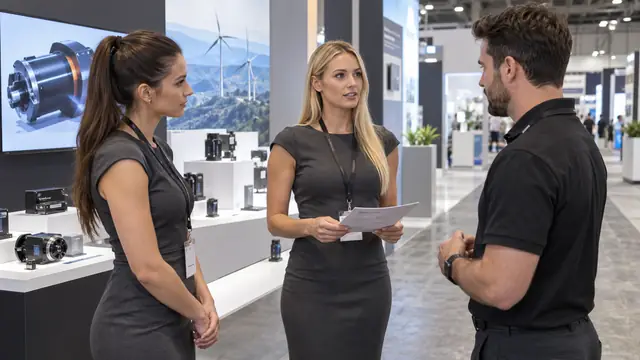
Give staff visitor types and a two-minute limit. Score opener, listening, question choice, transition, note quality, and next step. Include a busy executive, curious non-buyer, technical prospect, existing customer, media visitor, and someone who should be politely routed elsewhere.
Frequently Asked Questions
What questions qualify a trade show lead?
Is a badge scan a qualified lead?
Should booth staff use BANT?
How should staff exit an unqualified conversation?
Can I customize the lead qualification scorecard?
Does the worksheet score or contact leads automatically?
Sources and methodology
TSM Agency combined two decades of event-staffing experience with current exhibitor guidance and the sources below. Rates and venue rules change; confirm final requirements for your show and market.