Local vs. Fly-In Trade Show Models for Las Vegas Conventions
Las Vegas gives exhibitors several practical reasons to weigh local staff against fly-in talent. The market has deep event talent, huge venue density, heavy airport volume, variable hotel compression, and show-week logistics that punish fragile staffing plans.
Las Vegas is in Clark County, Nevada, and operates at a scale few convention cities can match. LVCVA's 2025 research lists 38.5 million visitors, roughly 6.0 million convention attendees, about 150,300 hotel rooms, 14.5 million square feet of meeting space, and nearly 55 million annual enplaned and deplaned airline passengers at Harry Reid International Airport.
That scale is why many exhibitors ask whether to book local Las Vegas trade show models or fly talent in. The short answer: use local staff for most booth, lead, registration, demo-support, and hospitality roles; consider fly-in staff when qualified local talent is unavailable or the person brings a proprietary skill, celebrity value, executive relationship, technical certification, or brand-specific requirement that local talent cannot reasonably cover.
Use this guide with Trade Show Models Las Vegas and Las Vegas Convention Center Booth Staffing Guide so the staffing decision, workflow, and measurement plan reinforce each other.
The Cost Difference Is Bigger Than the Hourly Rate
Fly-in staffing looks simple until the real budget is counted. The hourly or daily talent fee is only one line item. Airfare, baggage, hotel, resort fees, ground transportation, meals, per diem, travel time, delayed-arrival risk, overtime, and replacement coverage can turn a modest staffing need into an expensive logistics project.
Local Las Vegas trade show models usually remove airfare and hotel exposure. That matters during CES, SEMA, SHOT Show, World of Concrete, MAGIC, NAB, National Hardware Show, SupplySide Global, and other peak convention weeks when rooms near the Strip, LVCC, Venetian Expo, Mandalay Bay, and Caesars Forum become expensive or limited.
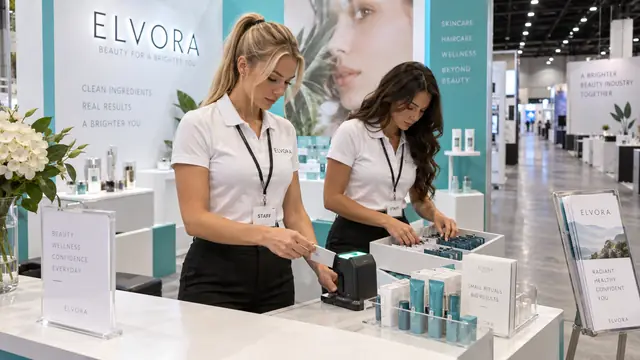
- Use local when: the role is booth greeting, lead capture, brand ambassador work, registration, hospitality, sampling, wayfinding, or demo support.
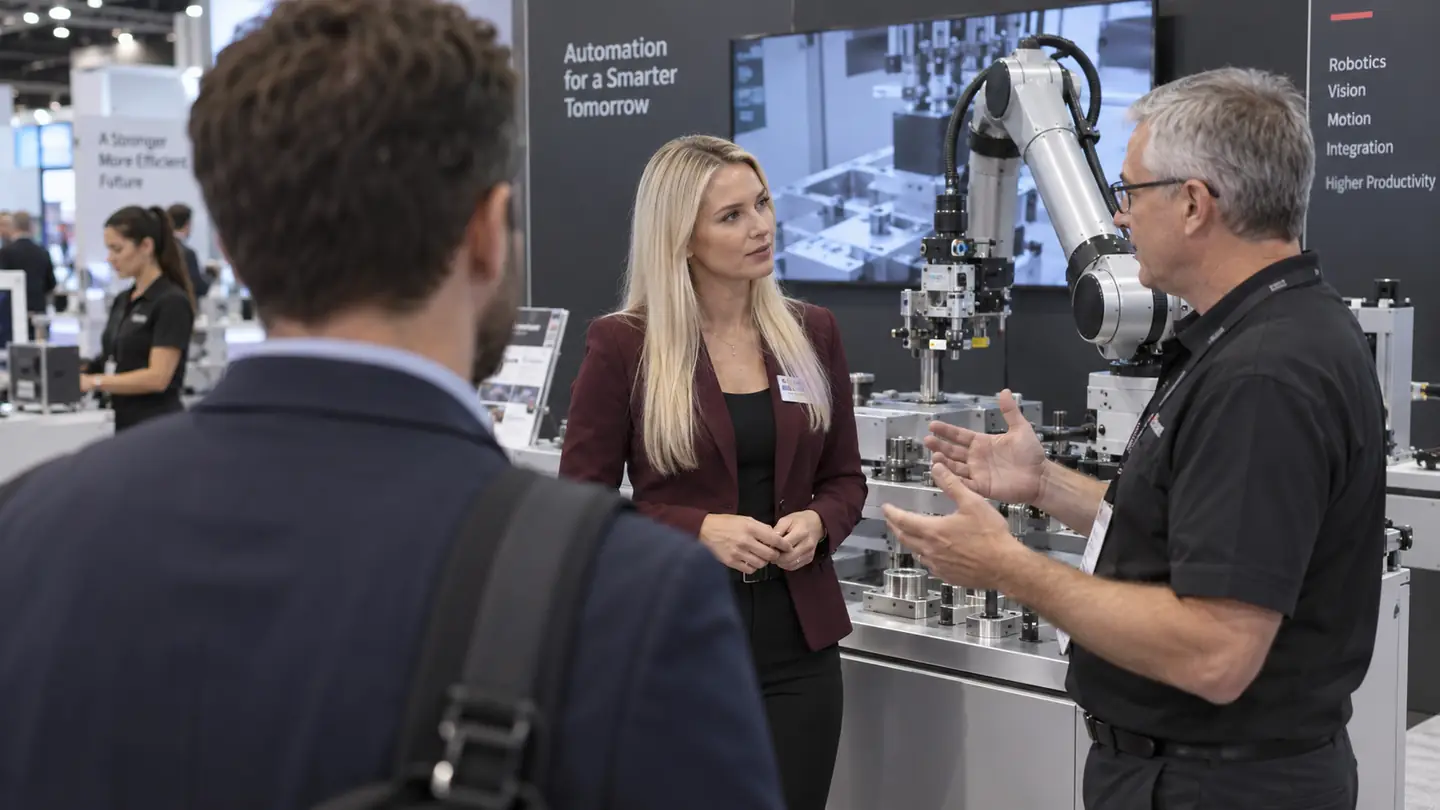
- Consider fly-in when: the person is a known spokesperson, certified technical expert, executive host, athlete, creator, or brand-specific personality.
- Avoid hybrid confusion: do not fly in people for basic booth roles and then leave local staff to solve the logistics.
Airport Volume and Travel Risk
Harry Reid International Airport reported nearly 55 million passengers in 2025 and direct connectivity to more than 170 markets. That makes Las Vegas accessible, but it also means flight disruptions can affect a large number of attendees, exhibitors, vendors, and staff at once.
A delayed staff flight on setup day is not a minor inconvenience if the booth opens the next morning. Local staff reduce the number of failure points. They can arrive from Henderson, Summerlin, Spring Valley, Enterprise, Paradise, North Las Vegas, or other parts of the valley without relying on air travel, checked bags, hotel check-in, or airport rideshare queues.
Venue Knowledge Is a Real Staffing Advantage
Las Vegas convention work is venue-specific. LVCC requires knowledge of West Hall, Central Hall, North Hall, South Hall, Paradise Road, Convention Center Drive, Desert Inn Road, the Boingo Monorail station, and Vegas Loop stations. Venetian Expo requires Sands Avenue, resort corridors, Restaurant Row, Grand Canal Shoppes, and Venetian/Palazzo routes. Mandalay Bay requires South Strip awareness, resort walking routes, Bayside, Shoreline, and nearby Luxor/Excalibur traffic.
Ask each staffer to confirm the difference between Caesars Forum and Caesars Palace, LVCC and Venetian Expo, ARIA and Vdara, West Hall and Westgate, or Sands Avenue and Las Vegas Boulevard. Those details sound small until a staff member is late, a buyer needs directions, or a VIP has to be routed from a booth to a suite.
- LVCC: use local knowledge for Monorail, Loop, hall entrances, shuttle curbs, and cross-campus timing.
- Venetian Expo: use local knowledge for Sands Avenue, Venetian/Palazzo resort routes, suites, and Grand Canal Shoppes.
- Mandalay Bay: use local knowledge for south-Strip traffic, resort walks, Bayside, Shoreline, and airport-side arrival.
- Caesars Forum: use local knowledge for Koval Lane, LINQ Promenade, Harrah's, Flamingo, and center-Strip confusion.
Traffic, Monorail, Loop, and Hotel Movement
Las Vegas transportation looks easy on a map and different during a citywide show. The Monorail route runs parallel to the Strip, Koval Lane, and Paradise Road, connects MGM Grand, Horseshoe/Paris, Flamingo/Caesars Palace, Harrah's/The LINQ, LVCC, Westgate, and Sahara, and can be very useful for LVCC shows. It does not solve every venue, every hall, or every hotel route.
LVCVA and convention resources also point to Vegas Loop, hotel shuttles, taxis, rideshare zones, and venue-specific pickup points. Staff with experience at the assigned venue can help assess walks, rideshare pins, Monorail connections, and shuttle timing. Confirm that experience and the arrival plan rather than assuming it from a local address.
Weather and Wardrobe Practicality
Las Vegas averages about 320 days of sunshine, but that does not mean every shift is easy. Summer brings severe heat, July and August can bring monsoon storms, winter mornings and nights can be cool, and large resort campuses still require long indoor and outdoor walks. Weather affects shoes, makeup, hair, hydration, garment bags, arrival timing, and after-hours event readiness.
Brief every staff member on the wardrobe realities of walking from a garage, waiting in rideshare, crossing a resort property, and standing under show lighting for hours. Anyone unfamiliar with the venue needs route instructions and an arrival buffer.
Quality Is About Selection, Not ZIP Code
The argument for local staff should never be that local is automatically better. The correct standard is selection, briefing, and management. A strong local roster gives you polished trade show models, bilingual brand ambassadors, product demonstrators, registration staff, hosts, and team leads who already understand the market. A weak roster is still weak, even if it is local.
The agency's job is to match role, appearance, experience, language, stamina, and show requirements. For a technical demo, pick staff who can learn and repeat approved language. For a luxury product, pick staff with premium hospitality polish. For automotive, pick staff who respect the buyer and the product. For medical or enterprise tech, keep claims controlled and escalate technical questions.
When a Hybrid Team Makes Sense
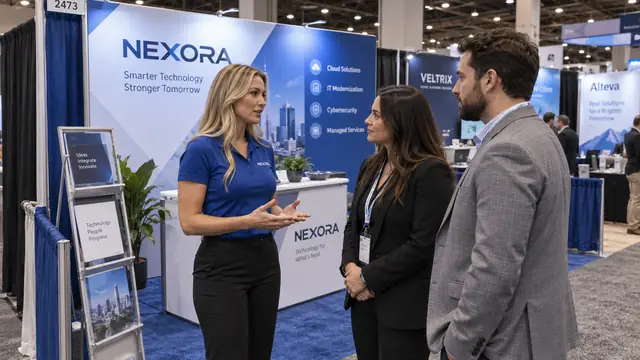
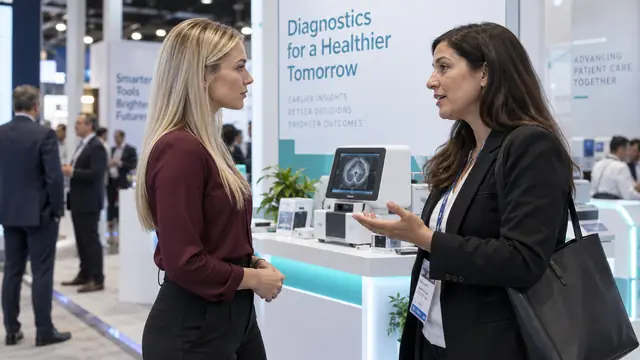
Some exhibitors should use a hybrid team. Bring the founder, sales executive, engineer, creator, celebrity, or product specialist who creates unique value. Then surround that person with local Las Vegas staff who handle booth traffic, scanning, qualification, hospitality, line management, registration, and meeting routing.
That structure keeps the expensive people focused on high-value conversations. It also gives the booth backup if a flight is delayed, a speaker is pulled into a meeting, or a product specialist is stuck in a demo. The local team protects the booth while the fly-in team handles the moments only they can handle.
Decision Rule for Las Vegas Exhibitors
Start by checking qualified local availability and comparing the full cost with fly-in options. If the job is appearance, greeting, lead capture, crowd control, registration, product support, hospitality, or buyer routing, local is usually the stronger operational choice. If the job is proprietary knowledge, executive access, a contractual spokesperson, or celebrity draw, fly-in may make sense.
The final decision should be made before the brief is written. Once the team mix is set, document who opens, who qualifies, who demonstrates, who scans, who routes VIPs, who handles breaks, who gives daily reports, and who owns replacements. That is what turns a staffing decision into a reliable show plan.
Frequently Asked Questions
Are local trade show models better than fly-in staff in Las Vegas?
When should an exhibitor fly staff into Las Vegas?
Why does local Las Vegas venue knowledge matter?
Does Las Vegas have enough local event talent for major conventions?
Can exhibitors use both local and fly-in staff?
Which Las Vegas staffing roles should usually stay local?
Sources and methodology
TSM Agency combined two decades of event-staffing experience with current exhibitor guidance and the sources below. Rates and venue rules change; confirm final requirements for your show and market.