Las Vegas Convention Center Booth Staffing Guide
The Las Vegas Convention Center is too large for generic booth staffing. Exhibitors need a plan for hall location, access, credential pickup, transit, heat, break coverage, and the exact roles that keep a busy aisle moving.
The Las Vegas Convention Center sits at 3150 Paradise Road in Clark County, just east of the Strip and north of the airport corridor. It is the home base for some of the country's largest trade shows, including CES, SEMA, NAB Show, World of Concrete, CONEXPO-CON/AGG, and many more. The LVCVA describes it as a 4.6 million-square-foot facility with about 2.9 million square feet of exhibit space and 225 meeting rooms.
That size is the point. The LVCC is not one simple hall with one simple entrance. West Hall, Central Hall, North Hall, South Hall, outdoor plazas, registration zones, Monorail access, and Vegas Loop stations can each change how your team arrives, where they stand, and how long it takes to recover from a missed call time. Use this guide with our trade show models Las Vegas page when staffing an LVCC booth.
Use this guide with Trade Show Models Las Vegas and Top Trade Show Venues in Las Vegas so the staffing decision, workflow, and measurement plan reinforce each other.
Understand the LVCC Campus Before You Staff It
The most important staffing question is not only booth size. It is where the booth sits on the campus. CES describes the LVCC campus as four distinct halls, with South, Central, North, and West Hall each serving different show-floor zones. During major events, those halls behave like separate neighborhoods.
West Hall is closer to the newest north-Strip hotel corridor, Resorts World, Fontainebleau, and the Vegas Loop connection. Central and North sit closer to the Grand Lobby and Paradise Road. South Hall can require a different arrival and walking plan. Outdoor plazas and temporary lots may add demos, lounges, food, sponsor exhibits, and shuttle movement.
- West Hall: plan for mobility, automotive, tech, and large-format exhibits where attendee waves can be heavy.
- Central Hall: treat it as the connector for major show traffic, registration movement, food, and brand-name exhibit zones.
- North Hall: expect overflow, enterprise, construction, smart-city, industrial, or specialized sectors depending on the show.
- South Hall: confirm entrance and meeting point because it can feel disconnected from the rest of the campus.
- Outdoor areas: prepare for heat, wind, water breaks, and wardrobe practicality even when the main booth is indoors.
Streets, Hotels, and Nearby Landmarks
LVCC staffing instructions should name more than the venue. Include Paradise Road, Convention Center Drive, Desert Inn Road, Sierra Vista Drive, the assigned hall, and the closest entrance or registration point. If you only tell staff to go to the convention center, they may arrive at the wrong side of a very large campus.
Nearby hotels and landmarks can help with practical orientation: Westgate Las Vegas has direct Monorail access and sits beside the campus; Renaissance Las Vegas, Las Vegas Marriott, Residence Inn, and Courtyard are business-oriented options near Paradise Road; Fontainebleau and Resorts World sit closer to the north Strip and West Hall; SAHARA and Wynn/Encore can be relevant when shuttles, Monorail, or Vegas Loop stations are active.
Food and meeting options around the venue also matter. Staff may need to route buyers to hotel lobbies, sponsor suites, off-floor meetings, or restaurants after the initial conversation. Build those handoffs into the briefing instead of expecting the booth team to improvise in the moment.
Monorail, Vegas Loop, Rideshare, and Parking
The Las Vegas Monorail is often the most predictable public transit option for LVCC because the Boingo Station serves the convention center and the route connects MGM Grand, Horseshoe/Paris, Flamingo/Caesars Palace, Harrah's/The LINQ, Westgate, and SAHARA. For center-Strip hotels, it can be faster than sitting in Las Vegas Boulevard traffic.
The Vegas Loop at LVCC is different. LVCVA describes free on-campus Loop service and notes that walking from West Hall to North/Central can take up to 25 minutes. The operator advertises approximately two-minute cross-campus rides; allow additional time for walking to stations, queues, and the final route to your booth. On-campus rides are free; off-campus public stations require current ticketing and station checks.
Rideshare and parking are not automatic time savers. Opening morning, badge pickup, security, road closures, and exhibitor freight movement can back up the area around Paradise Road, Desert Inn, and Convention Center Drive. Staff should be told where to be dropped, where to enter, and who to text if a route changes.
- For staff briefs: include a primary route and backup route, not just the address.
- For large crews: assign one lead to confirm arrivals and redistribute people if traffic delays one side of the team.
- For show close: expect rideshare demand and build realistic release times for staff who need to reach another booking.
Weather, Walking Distance, and Wardrobe
Las Vegas weather affects LVCC events even when the exhibit hall is climate controlled. The National Weather Service describes Las Vegas as a desert valley with abundant sunshine and summer temperatures that reach triple digits. Outdoor walks from lots, hotels, shuttle points, rideshare zones, and plazas can be hard on staff in formal attire.
Shoes are not a small detail. The LVCC is large enough that a staffer may walk a long distance before the shift starts and then stand for eight to ten hours. Wardrobe should match the brand, but it also has to survive the actual route from hotel or transit to booth.
Winter and shoulder-season shows need their own planning. Mornings and evenings can be cool, spring and fall can swing quickly, and outdoor sponsor areas may need layers even when the show floor is warm. Put weather and walking notes in the staff brief so the team arrives prepared.
Recommended Booth Roles at the LVCC
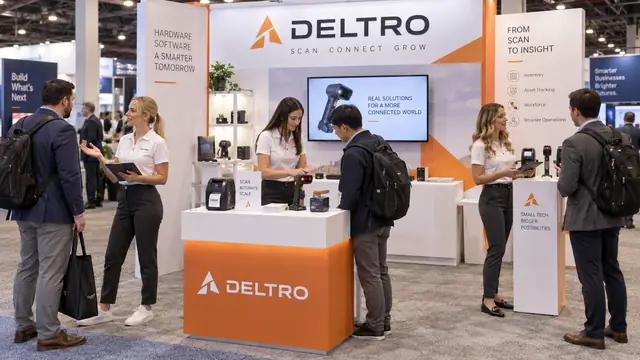
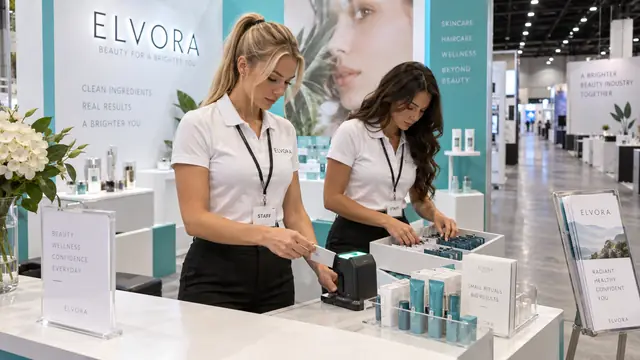
For small LVCC exhibits, separate the first-contact role from the technical role. One example is a trade show model or host for aisle engagement, a qualifier for initial questions, and a client specialist for deeper conversations. Roles can be combined when traffic permits; plan additional coverage when simultaneous conversations or breaks would leave a role unattended.
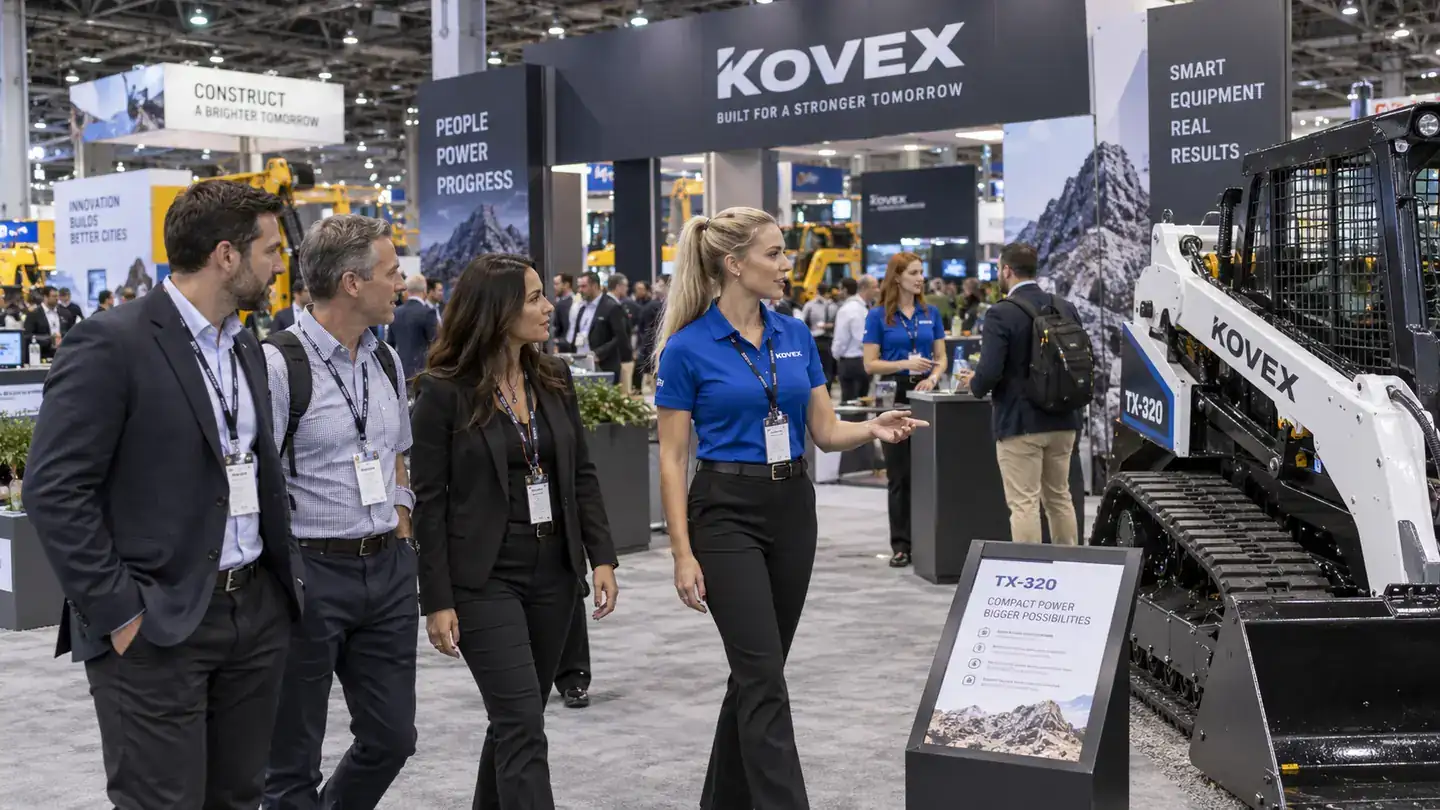
For larger booths, split traffic, demos, qualification, hospitality, and sales handoff. Consider a working team lead for crews of three or more, multiple zones, long shifts, or outdoor demos; the need depends on supervision and coverage requirements. The lead confirms attendance, runs breaks, solves access issues, and keeps the client from managing basic floor coverage.
For LVCC shows with international traffic, bilingual trade show staff can be useful, but fluency needs to match the job. A bilingual greeter is not the same as a technical interpreter. The brief should include approved product terms, qualification questions, escalation rules, and how to capture language preference in the lead system.
- Traffic opener: starts conversations without blocking the aisle.
- Lead qualifier: separates buyers, partners, press, students, vendors, and casual attendees.
- Product demonstrator: owns the demo station and keeps the line moving.
- Hospitality host: routes VIPs, meetings, refreshments, and scheduled appointments.
- Team lead: runs attendance, breaks, communication, and daily reporting.
LVCC Shows That Need Early Staffing
Peak LVCC weeks require earlier booking because several events, sponsor activations, hotel programs, and after-hours parties compete for the same local talent pool. CES is the obvious example, but SEMA, NAB Show, World of Concrete, CONEXPO-CON/AGG and large association conventions can all tighten availability. Events at other venues also affect citywide demand: SHOT Show uses The Venetian Expo and Caesars Forum.
TSM’s hiring guide recommends six to eight weeks for big shows and peak weeks. Use that as an initial planning target, then confirm the schedule for your roles, briefing, wardrobe and show access. Availability for a specific assignment must be checked.
What to Put in the LVCC Staff Brief
The staff brief should be specific enough that a first-time LVCC worker can arrive without guessing. Include show name, date, paid hours, call time, property address, hall, booth number, entrance, badge pickup instructions, wardrobe, shoes, meeting point, contact names, emergency number, transit suggestion, and backup route.
Then add role instructions: opening line, qualification questions, handoff rules, lead capture fields, demo timing, prohibited claims, break schedule, lunch plan, water plan, daily recap requirements, and escalation rules. At the LVCC, clarity prevents expensive dead time.
- Do not write: 'Meet at LVCC.'
- Do write: 'Meet at West Hall entrance by the assigned registration doors at 7:15 a.m.; text the team lead when parked, at security, and at booth W1234.'
Frequently Asked Questions
How many booth staff do I need at the Las Vegas Convention Center?
What address should I give LVCC booth staff?
Is the Las Vegas Monorail useful for LVCC staff?
What is the Vegas Loop at LVCC?
When should I book trade show models for an LVCC event?
Why should LVCC staff know the assigned hall?
Sources and methodology
TSM Agency combined two decades of event-staffing experience with current exhibitor guidance and the sources below. Rates and venue rules change; confirm final requirements for your show and market.
- NSSF SHOT Show - Official Venues
- Vegas Means Business - Las Vegas Convention Center
- CES - LVCC Campus Maps and Hall Overview
- Vegas Means Business - Vegas Loop at LVCC
- The Boring Company - LVCC Loop Project
- Las Vegas Monorail - Route Map and Stations
- Visit Las Vegas - Maps and Getting Around
- National Weather Service - Climate of Las Vegas