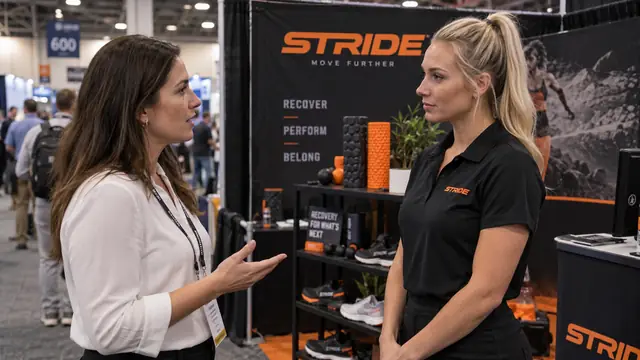

What Is a Trade Show?
A trade show is a business event where companies exhibit products, services, technology, or ideas to a concentrated audience of buyers, partners, media, investors, and industry professionals.
Trade shows are sometimes called trade fairs, expos, exhibitions, conventions, or industry shows. The format changes by industry, but the core idea stays the same: exhibitors rent space, build a booth or meeting presence, and use the event to create conversations they may not get through normal sales channels.
Some shows are open only to qualified industry attendees. Others include public days, educational sessions, networking receptions, media programs, product launches, and private meetings. For exhibitors, the booth is both a marketing channel and a temporary sales environment.
Use this guide with Trade Show Staffing and What Do Trade Show Models Do? so the staffing decision, workflow, and measurement plan reinforce each other.
Trade Show Definition
A trade show is an organized event where businesses in a specific industry gather to display products or services, meet buyers, learn from competitors, and build relationships. Attendees may include purchasing teams, distributors, dealers, operators, executives, engineers, media, influencers, investors, and end users depending on the show.
A trade fair usually means the same thing. In some markets, trade fair is the more common term; in the United States, trade show and expo are often used instead.
What Exhibitors Do
Exhibitors use trade shows to launch products, collect leads, meet existing accounts, support dealers, demonstrate equipment, recruit partners, gather market feedback, and create brand visibility in a compressed period of time.
A good exhibitor plan defines the audience, booth message, offer, demo workflow, staffing, lead capture, follow-up owner, and measurement before the show opens.
Who Attends Trade Shows
Attendees vary by industry. A medical meeting may draw clinicians, administrators, distributors, and researchers. A construction show may draw contractors, fleet owners, buyers, and manufacturers. A consumer-facing expo may include the public, creators, media, and sponsors.
That audience mix affects staffing. The person at the front of the booth needs to recognize who should be routed to sales, who needs a product specialist, and who only needs a quick answer or brochure.
Why Booth Staffing Matters
Trade show traffic moves quickly. If the booth team is unprepared, serious buyers pass by or leave with no useful record. Booth staff help make the exhibit approachable, qualify visitors, scan badges, support demos, and protect the client team's time for higher-value conversations.
The right mix may include trade show models, brand ambassadors, product demonstrators, lead-retrieval specialists, hosts, presenters, bilingual staff, and a team lead.
How Companies Measure Trade Show Results
Common measures include booth traffic, relevant conversations, demos completed, leads captured, sales-accepted leads, meetings booked, pipeline created, media mentions, partner meetings, customer feedback, and closed revenue over time.
The strongest reports separate activity from quality. A pile of badge scans is less valuable than a smaller set of complete, qualified records with clear next steps.
What to Plan Before Exhibiting
Before booking staff or building the booth, decide the role of the event in your sales plan. Know the target visitor, the question that qualifies them, the message they should remember, and what follow-up should happen after the conversation.
Then build the booth team around those decisions. Assign who greets, who qualifies, who demonstrates, who answers technical questions, who scans, who routes meetings, and who owns follow-up.
Frequently Asked Questions
What is a trade show?
Is a trade fair the same as a trade show?
Why do companies exhibit at trade shows?
Who works at a trade show booth?
How do trade shows generate leads?
What should exhibitors prepare before a trade show?
Sources and methodology
TSM Agency combined two decades of event-staffing experience with current exhibitor guidance and the sources below. Rates and venue rules change; confirm final requirements for your show and market.