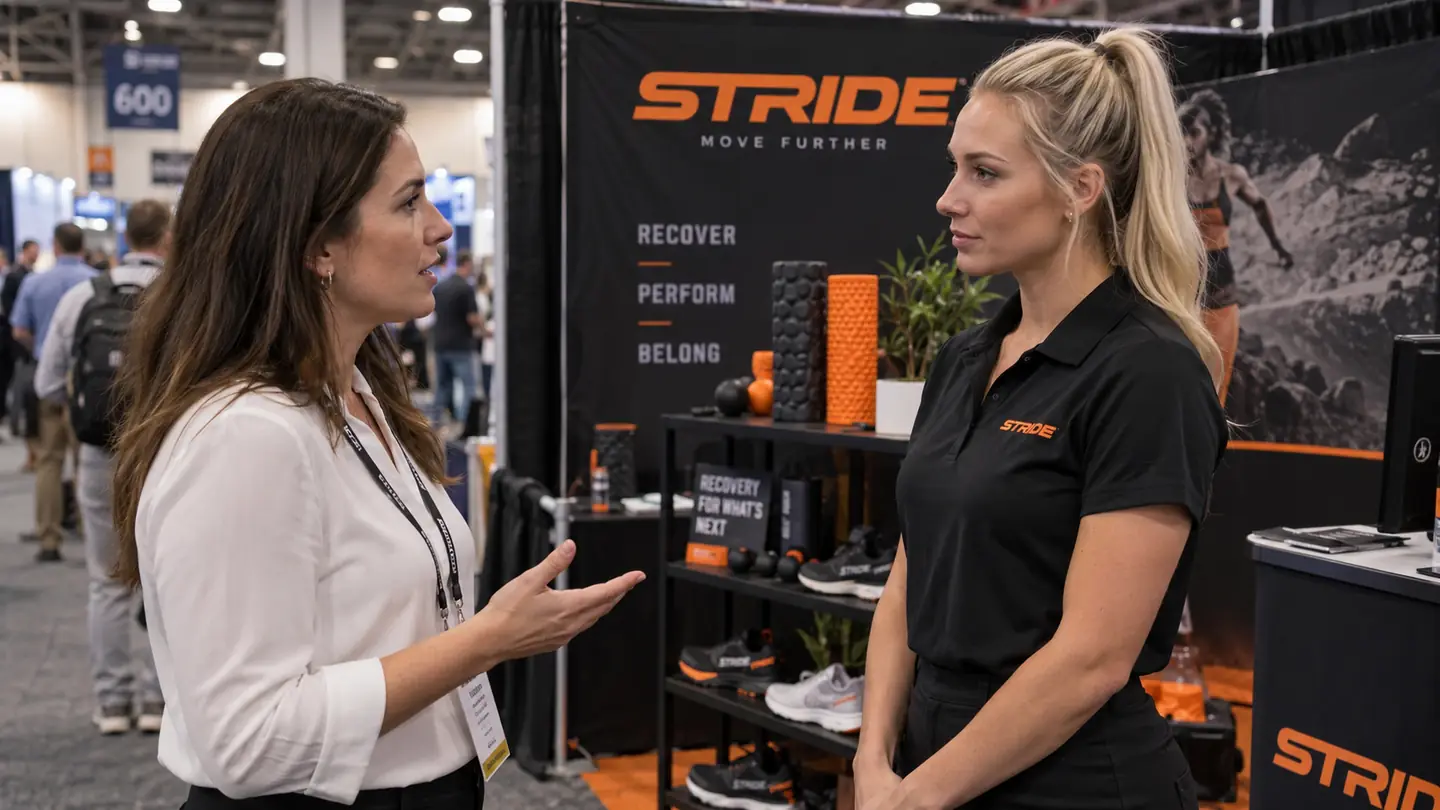
What Do Trade Show Models Do?
The modern role is not decoration. A trained trade show model creates conversations, protects your specialists' time, and moves the right attendees toward a measurable next step.
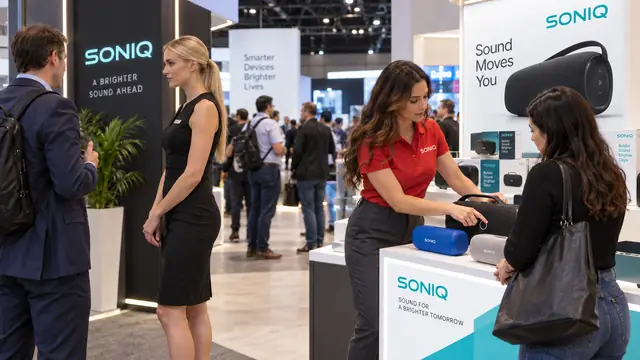
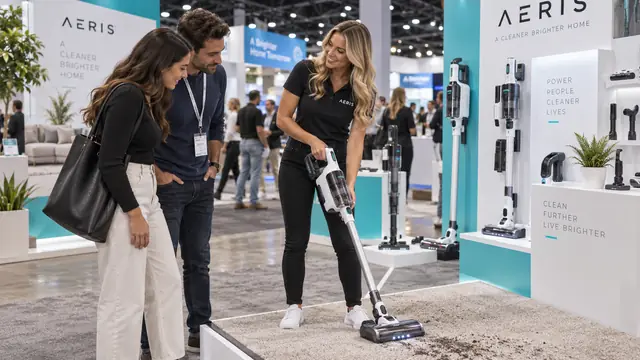
Trade show model is an industry title for event talent assigned to an exhibitor's booth. The job can include greeting, aisle engagement, qualification, product presentation, demonstrations, badge scanning, hospitality, appointment support, and routing attendees to the right employee.
The exact duties should come from the exhibitor's goal. A visibility-focused automotive stand, technical software demo, healthcare conference, and consumer sampling booth require different people and different briefs.
Once the role is clear, use the trade show model brief template to prepare the team and the lead qualification scripts to standardize attendee handoffs.
What Trade Show Models Do Before the Doors Open
Include preparation in the agreed booking scope and schedule before the show opens. The team reviews the company, audience, product, approved message, qualification questions, attire, schedule, venue access, lead system, and escalation contacts. Product or presentation assignments may require paid virtual training, rehearsal, fitting, or a hands-on demonstration session.
A readiness check should confirm that each person can explain the company in plain language, identify the target visitor, deliver the opener, use the scanner, and complete the handoff without inventing claims.
Attract and Welcome the Right Traffic
Trade show models face the aisle, make eye contact, open conversations, and give attendees a comfortable reason to stop. That is different from indiscriminately pulling everyone into the booth. The opener should connect to the exhibit promise and quickly reveal whether the visitor is relevant.
At high-traffic shows, models also keep entrances clear, direct scheduled meetings, manage queues, and prevent client specialists from being consumed by routine directions or giveaway requests.
Qualify and Route Attendees
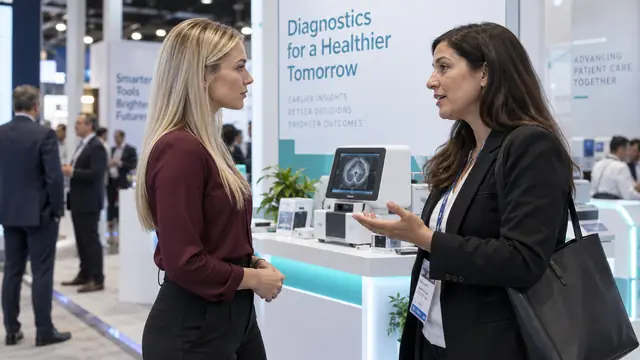
A model can ask approved discovery questions about role, challenge, current approach, use case, or timing. The goal is not to conduct the entire sales call. It is to understand enough to route the person to a demo, technical specialist, salesperson, resource, or polite exit.
The handoff should preserve context: who the visitor is, what they need, and why the employee should continue the conversation. This keeps prospects from repeating themselves and protects expert time.
Support Product Demonstrations and Presentations
Depending on selection and training, trade show models may run a structured demonstration, present rehearsed talking points, distribute samples, facilitate a stage segment, or reset the demonstration station between visitors. Complex questions and claims outside the approved scope go to the designated specialist.
The exhibitor must distinguish a trained demonstrator from a technical subject-matter expert. Confusing those roles creates inaccurate answers and avoidable risk.
Capture More Than a Badge
Models can scan badges, complete forms, record surveys, tag lead status, and note the visitor's need and requested next step. A scan without context is an attendee list, not a qualified lead.
Before show close, the team should verify required fields, sync devices, return equipment, and share recurring questions or objections with the client lead.
What Trade Show Models Should Not Be Asked to Do
General booth talent should not perform freight handling, installation, rigging, electrical, security, licensed food or alcohol service, healthcare work, or other controlled duties unless the venue, show, law, credentials, contract, and training specifically permit it. The current exhibitor manual controls show-floor boundaries.
Frequently Asked Questions
Are trade show models only hired for appearance?
Can trade show models qualify leads?
Can a trade show model demonstrate a technical product?
Do trade show models work through the entire show day?
What should we send before the team arrives?
What happens to the leads after the show?
Sources and methodology
TSM Agency combined two decades of event-staffing experience with current exhibitor guidance and the sources below. Rates and venue rules change; confirm final requirements for your show and market.