
Booth Hostess Duties: Greeting, Check-In and Sales Handoffs
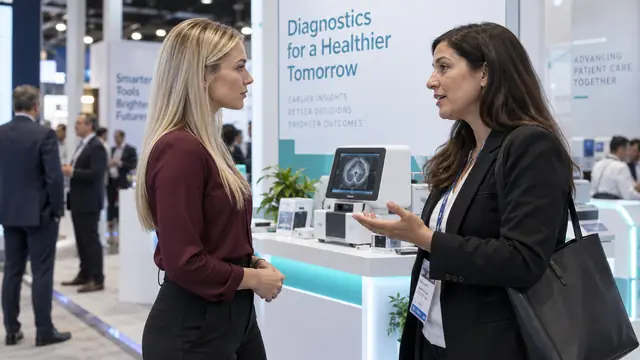
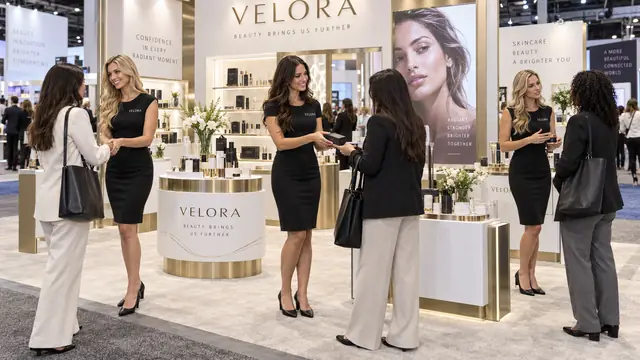
A booth hostess makes the first exchange useful. The assignment is to welcome visitors, understand why they stopped and connect them with the right next step.
Booth hostess duties usually include attendee greetings, appointment check-in, visitor routing, approved qualification questions and lead-capture support. The role may also be called booth host, trade show greeter or conference hostess. Choose the title that fits your program, then write down the work.
This is a front-of-booth role, not a substitute for your sales team. A host can keep the welcome organized while your product specialists handle deeper discussions. The useful distinction is where the host's responsibility ends and the next person's begins.
For booking and role options, review booth hostesses and trade show greeters. Use the staff brief template to turn the duties below into an assignment your team can approve.
Define the Booth Hostess Duties
Start with the visitor moments you need covered. An open exhibit may need an aisle-facing welcome and first question. A meeting-led booth may need appointment check-in and routing. A sponsor lounge may need guest arrivals and introductions. Do not assume that one title includes every task.
For each duty, name the position, approved action and next owner. If the host must leave the welcome point to escort a guest, decide who covers incoming visitors. If the same person must scan badges and manage appointments, test that combination during a busy rehearsal.
- Welcome: acknowledge arriving visitors and explain the next available step.
- Check-in: confirm appointments against the client-provided list and notify the meeting owner.
- Routing: direct visitors to the relevant demo, product specialist, meeting area or information.
- Qualification: ask the questions approved for this role, without turning the welcome into a full sales interview.
- Capture: record the agreed fields in the client's approved tool and flag missing information.
- Handoff: introduce the visitor by name where appropriate and summarize the requested help.
Make the First Conversation Useful
Give the host a clear opening line connected to your exhibit. For a fictional equipment supplier, an example is: 'Welcome. Are you comparing equipment today, or coming for a scheduled meeting?' That gives the visitor a simple choice and helps the host route the conversation.
Presentation should fit the exhibitor, but a polished appearance is only the starting point. Look for listening, clear speech, composure and judgment. The host should face arriving visitors, leave space for access and avoid interrupting an attendee who is already speaking with a colleague.
Agree what happens with existing customers, press, suppliers and visitors who are not potential buyers. They may still need a useful answer or introduction. A respectful welcome does not require sending every person to sales.
Handle Appointments and Waiting Visitors
Provide the current appointment list, meeting owners and booth meeting locations. State how the host should handle early arrivals, a missing reservation, a changed time and a visitor whose contact is unavailable. Keep the working list with the person responsible for updates.
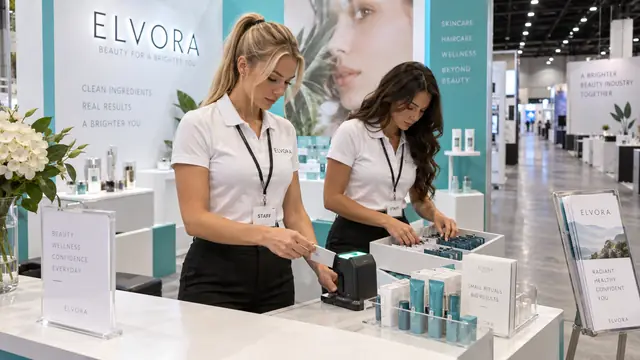
A practical check-in sequence is: confirm the visitor's name and company, check the appointment, notify the meeting owner and explain where to wait. Avoid announcing private meeting details across the booth or displaying the full list where other visitors can read it.
Do not promise a waiting time the team has not confirmed. Ask the meeting owner for an update, then offer the visitor the available options. Assign relief coverage so appointment arrivals are not missed when the host takes a scheduled break.
Qualify Briefly and Make a Clear Sales Handoff
Choose only the questions needed to identify the next conversation. A host might ask which product the visitor wants to see and what they are trying to improve. A trained qualifier may have a broader discovery assignment. Confirm the difference before asking the host to screen every commercial detail.
Here is an illustrative introduction: 'Morgan, this is Taylor from a packaging company. They want to compare the compact system and understand the changeover process. Taylor, Morgan handles that product and can walk you through it.' The introduction gives both people a reason to continue without making the visitor repeat the opening conversation.
If a specialist is busy, record the visitor's requested action and route it to a named owner using the agreed process. A scan without context does not explain what the visitor needs. Test what happens when a device loses connection or a visitor declines a scan; use the client's approved fallback rather than a personal contact list.
A Sample Booth Hostess Role Brief
Use the example below as a starting point, not a fixed staffing package. Replace every assumption with your actual booth, audience and responsibilities. The client supplies accurate product information, approved answers and the people authorized to make technical or commercial decisions.
- Objective: welcome arriving visitors and route product enquiries or appointments to the correct exhibitor contact.
- Position: the designated welcome point inside the booth boundary, with a clear view of incoming visitors.
- Approved questions: product interest and reason for visiting; add other qualification questions only if assigned and rehearsed.
- Capture fields: the visitor information required by the approved system, product interest, requested action and handoff owner.
- Limits: no unapproved price, specification, delivery or performance promises; refer those questions to the named specialist.
- Coverage: confirmed call time, shift, breaks, relief person and the contact for schedule or arrival problems.
- Presentation: approved attire, practical footwear, credential placement and who supplies each item.
- Daily review: appointment issues, incomplete handoffs, recurring visitor questions and changes needed for the next shift.
Check Readiness Before Doors Open
Rehearse a scheduled appointment, a walk-up product enquiry and an arrival while the sales team is busy. Check whether the host can find the right person, explain the next step and complete the capture or notification process. Correct the workflow rather than asking staff to guess faster.
Review the duties separately from the title when selecting talent. Ask about comparable visitor-facing assignments, communication skills and availability for the full schedule. Verify language or product requirements for the actual role. Do not assume a hostess, model or ambassador has every specialist skill.
After the shift, look at the work this role controls: arrivals acknowledged, appointments routed, records with useful context and handoffs accepted by the next owner. Use those observations to improve the brief. They are operating measures, not a promise of sales or a claim that every booth visitor is a qualified lead.
Frequently Asked Questions
What does a booth hostess do at a trade show?
Can a booth hostess qualify trade show leads?
Is a conference hostess different from a booth hostess?
Does a booth hostess need product training?
What should a booth hostess do when the sales team is busy?
What should we send when requesting booth hostesses?
Sources and methodology
TSM Agency combined two decades of event-staffing experience with current exhibitor guidance and the sources below. Rates and venue rules change; confirm final requirements for your show and market.