Trade Show Model Attire Guide
The best wardrobe makes the team recognizable, credible, comfortable, and able to perform for the full shift. It should never create confusion or safety problems.
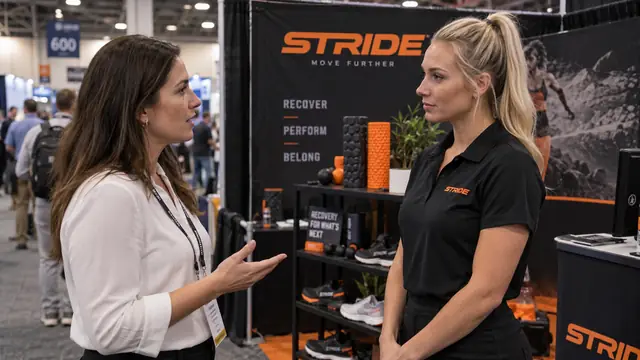
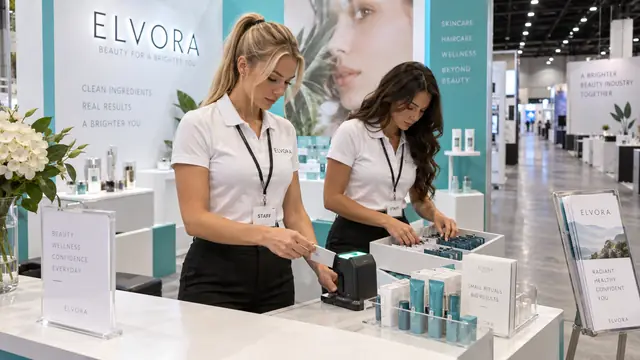
There is no universal trade show uniform. Technology booths often use branded smart-casual clothing. Medical and financial events may call for business attire. Industrial exhibits can require closed-toe or safety footwear. Fashion, beauty, automotive, sports, and consumer shows use different visual standards.
Start with the exhibitor manual, industry norm, brand identity, job duties, and length of shift. Then specify every item from outer layer to shoes before selecting or purchasing wardrobe.
Put the final wardrobe specification in the trade show model brief and verify it during the pre-show staffing checklist before travel or fittings begin.
Choose the Dress-Code Level
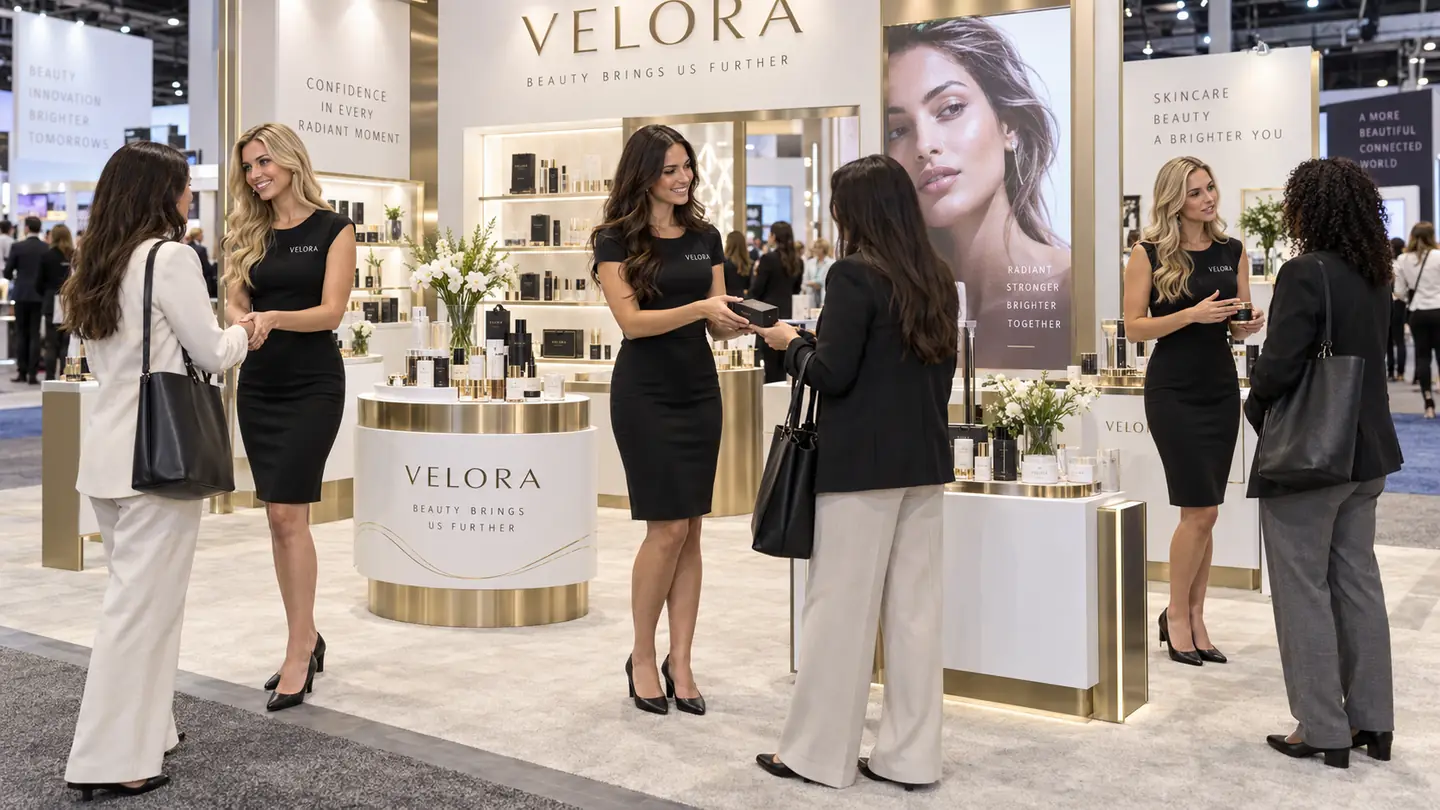
Business professional fits formal B2B, finance, healthcare, luxury, and executive environments. Business or smart casual fits many technology, service, and general-industry shows. Branded uniforms support recognition and consistency. Fashion-forward or specialty wardrobe can fit beauty, automotive, entertainment, and sponsorship activations when it aligns with organizer rules and the intended audience.
Do not default to revealing clothing because the role contains the word model. Prioritize brand fit, inclusion, credibility, communication and the ability to perform the assigned work.
Write a Complete Attire Brief
Specify garment type, color, fabric or finish, fit, approved alternatives, branding, belt, hosiery or socks, shoes, outer layer, jewelry, bags, nails, hair, makeup or grooming, visible tattoo or piercing policy where lawful, and who supplies each item.
Include reference images and an approval deadline. If the client supplies clothing, collect measurements early and provide a range of sizes. Never assume one-size apparel will fit a professional team.
Test the complete outfit against the work: reaching display controls, using a badge scanner, walking the assigned route and handling materials. Check that credentials remain readable and garments allow the required movement. Approve a practical alternative before the show if the first choice does not work.
Plan for Feet and Shift Length
Convention floors are physically demanding. Select polished footwear that supports standing and walking for the full shift. Closed-toe shoes may be required by venue, product, or assignment. Provide specific heel height or shoe type only when it is necessary and realistic.
If formal or specialty footwear is required, plan seated breaks, rotation, backup shoes where appropriate, and a safe walking route. A staff member in pain does not engage or perform well.
Make the Team Easy to Recognize
A coordinated palette, branded shirt, jacket, badge position, scarf, or other intentional element helps attendees identify booth staff. The uniform should complement the exhibit rather than disappear into it or compete with the product.
Different roles can use subtle identifiers. For example, demonstrators and client specialists may wear a different color or badge label from greeters and qualifiers, helping staff route visitors correctly.
Manage Fittings, Care and Backup
Schedule fittings and photo approval before travel. Document who steams, stores, transports, cleans, and returns the wardrobe. Keep spare high-risk items such as branded tops, hosiery, stain remover, fasteners, and size alternatives on site.
For outdoor or mixed-temperature programs, supply approved layers, weather protection, water access, and a change plan. Venue and organizer rules override the creative concept.
Frequently Asked Questions
What should trade show models wear?
Who provides trade show model wardrobe?
Should trade show models wear heels?
How far in advance should wardrobe be confirmed?
Can staff wear an alternative if the approved outfit does not fit?
Does one dress code apply during setup and show hours?
Sources and methodology
TSM Agency combined two decades of event-staffing experience with current exhibitor guidance and the sources below. Rates and venue rules change; confirm final requirements for your show and market.