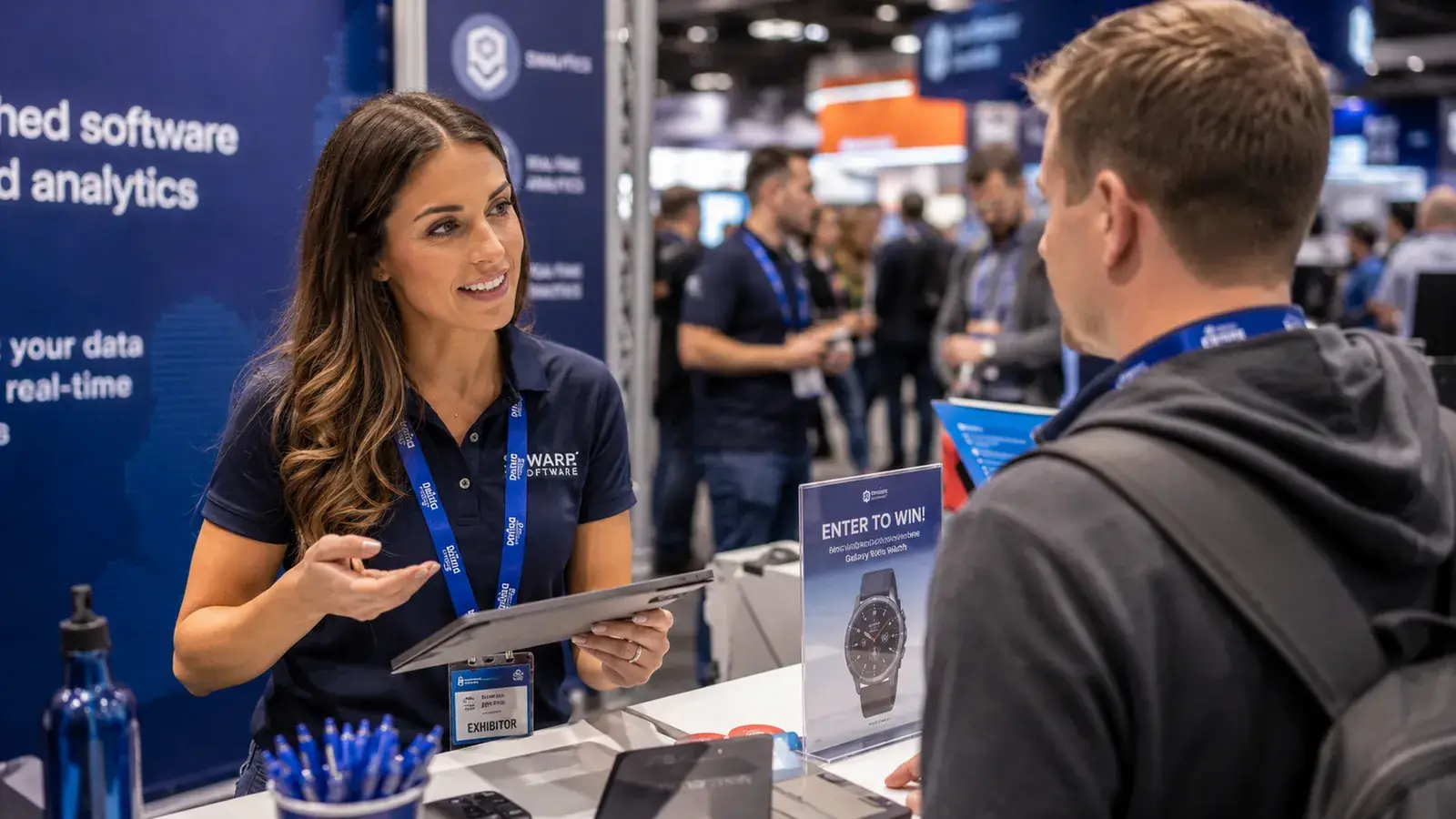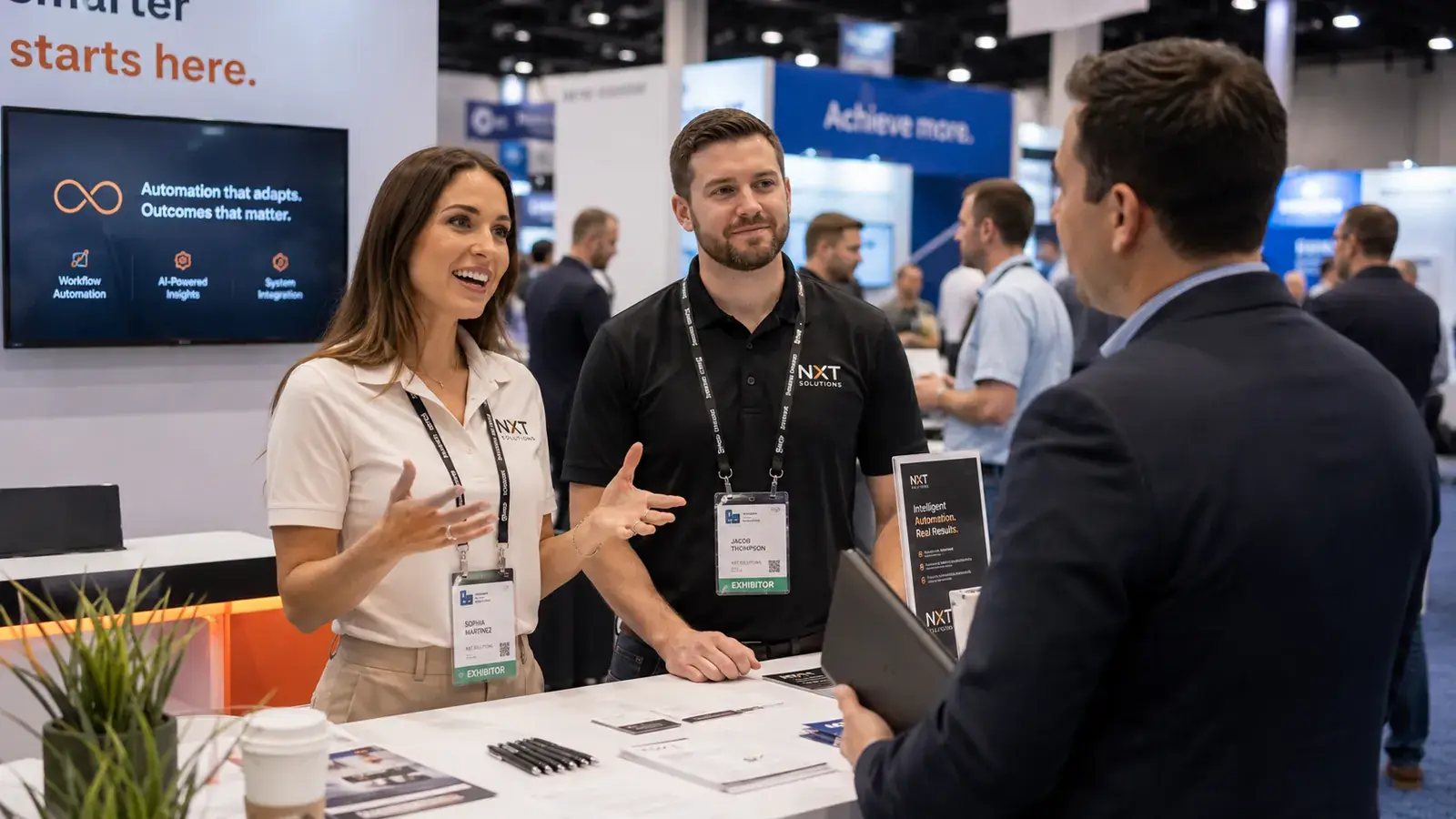

Brand ambassador programs: plan, staff and measure.
Plan an in-person brand ambassador program with clear staffing roles, repeatable briefs, confirmed coverage and measurable reporting.
An in-person brand ambassador program coordinates staffing across recurring events, sampling shifts and activations. Start with the work you need covered, then define recruiting, briefing, scheduling and measurement before you book.
This guide covers people representing your brand in person. An online creator or affiliate program needs a different scope. For event staffing, decide whether you need a single activation or a recurring schedule; either can use a documented brief and trained staff.
The four parts of an event ambassador program
Define the roles before selecting talent. List the cities, dates, shift lengths, audience and tasks. Separate greeting, sampling, demonstrations and lead qualification where they require different skills. Ask your brand ambassador agency how candidates are screened for the actual assignment and what happens if someone becomes unavailable.
Build a repeatable briefing. Provide product information, approved claims, conversation examples, attire requirements and escalation contacts. Have staff practice the demonstration or visitor conversation before the shift. Use a staff training checklist to record readiness and brief replacements on the same material.
Confirm coverage for each activation. Record the assigned people, reporting location, supervisor, breaks and backup process. Request returning staff when continuity matters, but confirm availability for each date. Ask the agency to itemize travel, parking, training and other expenses in the quote; local sourcing does not guarantee that these costs disappear.
Choose measures you can collect consistently. Define what counts as a conversation, sample, qualified lead or completed sign-up. Assign a reporting owner and use the same definitions across locations. For sales attribution, agree on the tracking method and time window before launch. Activity counts alone do not establish financial return. See the lead capture and follow-up guide for ownership and measurement decisions.
Plan recurring coverage
A recurring program gives you a structure for reusing briefs and collecting feedback across activations. It does not guarantee the same people at every stop. Confirm which roles require returning staff, how substitutions are approved and who briefs replacements.
Start with the schedule you can confirm. Record booking deadlines, cancellation terms, travel arrangements and who can approve scope changes. After each activation, review attendance, task completion, visitor questions and reporting gaps before changing the next brief.
The takeaway
Bring your agency the audience, locations, schedule, tasks and reporting requirements. Ask for a written scope that names the responsibilities, costs and coverage process. Evaluate the program against the outcomes you defined, and distinguish recorded activity from attributed sales.
Discuss brand ambassador staffing with TSM Agency to scope the people and coordination your activation needs.