Trade show lead generation: qualify and follow up.
Plan trade show lead generation with qualification fields, capture checks, staffing roles, follow-up ownership and clear conversion measures.
Trade show lead generation connects booth conversations to an agreed next step. Before the event, define what makes a visitor relevant, what your team must record and who owns follow-up. Use the same definitions across booth staff, product specialists and sales.
Set the lead definition before you set a target. A badge scan, a qualified conversation, a booked meeting and a sales opportunity represent different stages. Report them separately so your event results do not depend on treating every contact as a potential customer.
Define the buyers you want to meet
Review the organizer's audience information for your specific event, then agree on the accounts, roles and needs relevant to your offer. Do not assume every attendee has purchasing authority. A visitor may be a user, evaluator, partner, student, supplier or existing customer; each can need a different response.
Give staff a short description of a relevant prospect and clear routing instructions for other visitors. Include the product questions they may answer and the questions that require a specialist. Keep the conversation useful even when the visitor does not fit the current sales campaign.
The badge-scanner trap
A badge record may contain contact details, but it does not necessarily preserve the discussion. Check what the event's retrieval system actually provides. Add the visitor's stated need, requested information and agreed next step using the approved fields.
Test a sample export before the show. Confirm field names, ownership, duplicate handling and how notes reach the sales team. Follow the organizer's terms and your company's consent and data-handling process; do not assume that scanning a badge authorizes every later campaign.
How to qualify on the floor
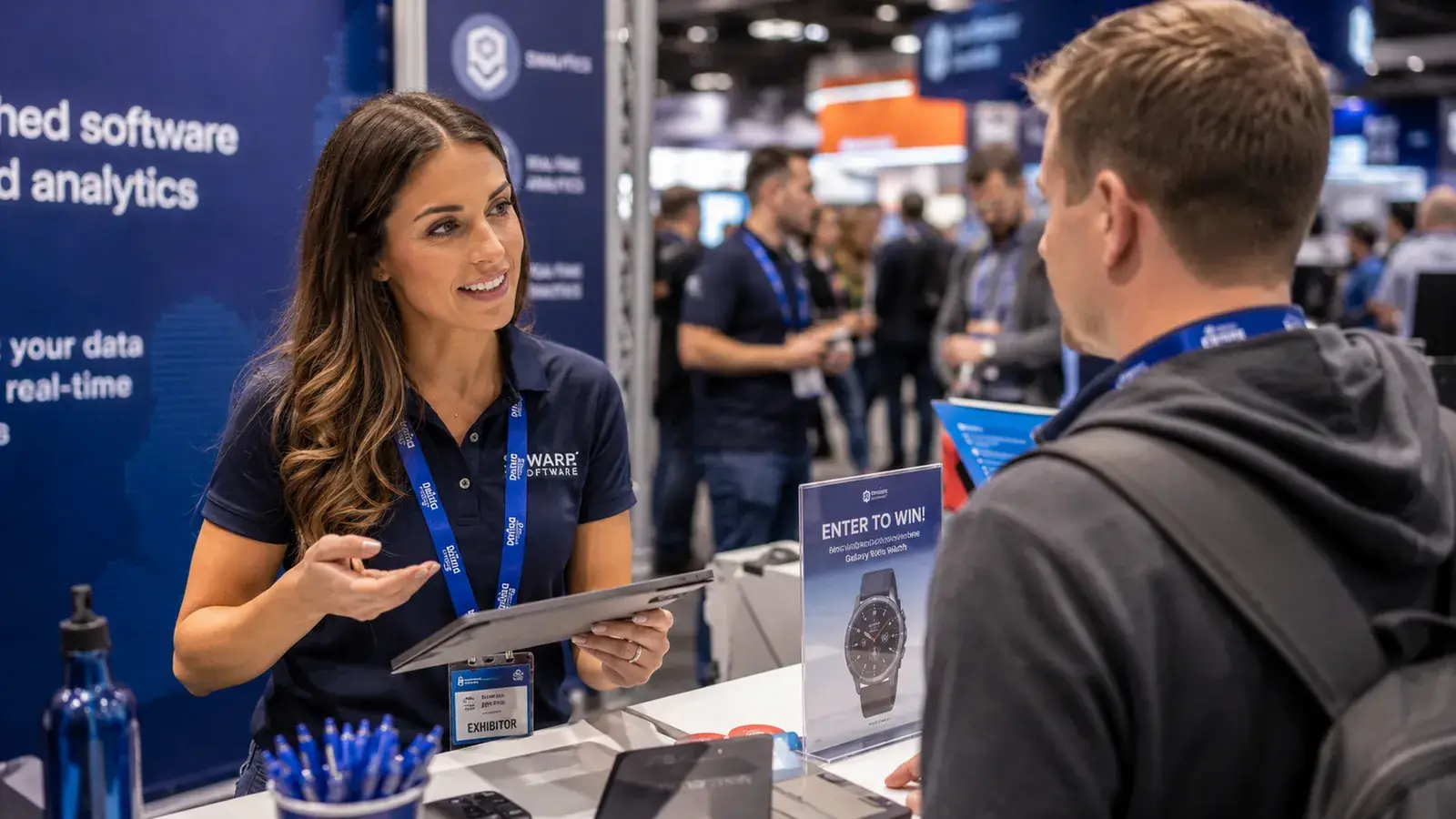
Agree on a compact rubric that staff can use naturally. Adapt the questions to your sales process instead of making every conversation follow a rigid script. Start with an open question such as “What are you looking to solve at this show?” and ask permission before moving into more detailed discovery.
Define the categories. If you use Hot, Warm and Cold, write down what each means. For example, an active project with an agreed meeting may receive a different priority from a request for general information. These are planning examples, not universal qualification rules.
Capture the useful context. Use the following five fields as a starting point, alongside contact details and an assigned owner. Leave unknown information unknown; do not turn staff guesses into buyer statements.
- The problem or interest the visitor described
- Their current approach, if relevant and shared
- Their stated timing, including “not yet known”
- The next step agreed with the visitor
- The priority category under your team's definition
Review the record before handing it off. Check that a colleague can understand the conversation without asking the original staff member to reconstruct it. Use the qualification scripts and scorecard to rehearse examples before the event.
For example, “requested a demo for an active replacement project; introduce to the regional account manager” gives sales a specific action. “Interested” does not explain what was discussed. Treat examples as training material and keep real visitor records in approved systems.
Set follow-up ownership before the show
Agree on a follow-up deadline that reflects the visitor's request and your team's capacity. An appointment request during the event may need an immediate handoff; a request for a technical document needs the right specialist and accurate material. Record any timing you promise the visitor.
Assign each actionable record to a named person or monitored team queue. Confirm that the recipient received it, can access the notes and knows the next step. Review unassigned and overdue records during the event instead of waiting for the final export.
Prepare the people using the capture system
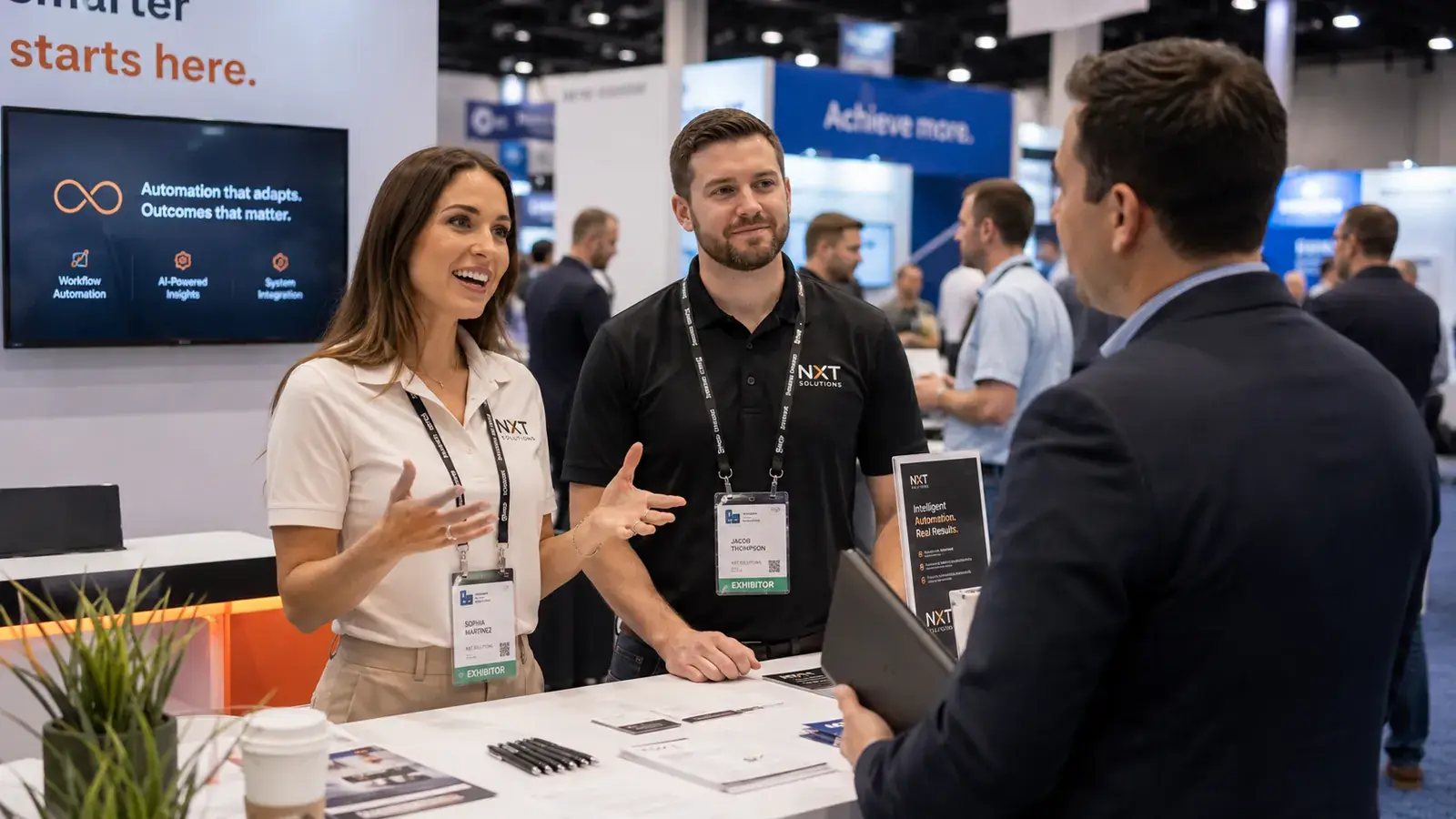
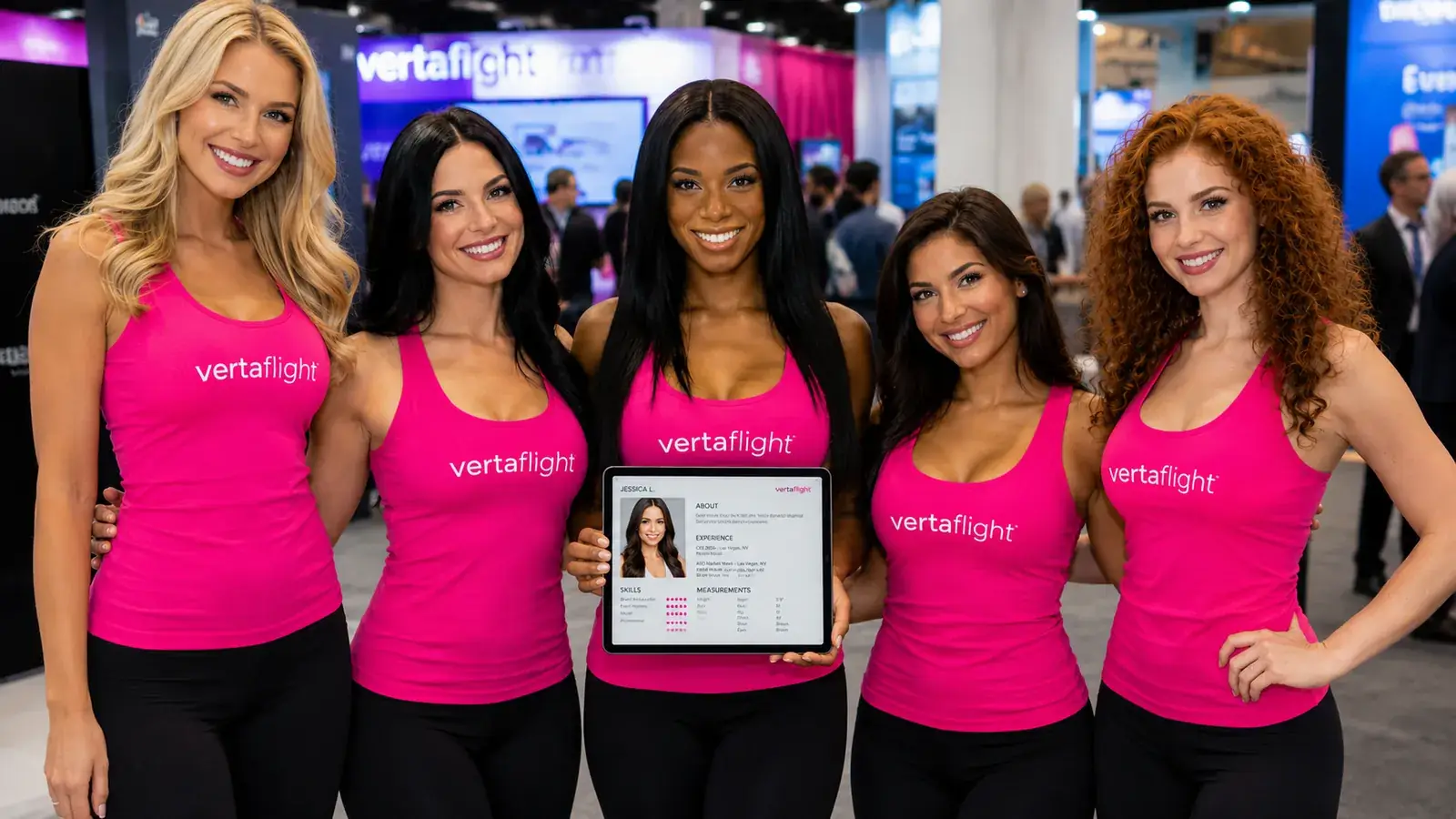
Assign separate responsibilities for greeting, qualification, demonstrations and follow-up where the booth plan requires them. Confirm the experience and briefing needs of your trade show staff and brand ambassadors. A staffing title alone does not establish product knowledge or readiness.
Have the team practice a visitor conversation, enter a sample record and complete a handoff. Check device access, charging, connectivity and the approved fallback when the capture tool is unavailable. Use the booth staff training checklist to organize preparation and the staff brief template to record responsibilities.
Measure each stage consistently
Track captured contacts, qualified leads, completed follow-ups, meetings, opportunities and customers as separate counts. To calculate a stage conversion rate, divide the number reaching that stage by the relevant starting group and multiply by 100. State the group and measurement period with the result.
For cost per qualified lead, divide the costs included in your event budget by the number meeting your written qualification definition. Keep the cost scope consistent when comparing shows. Review results over your actual sales cycle rather than promising a universal conversion rate or customer deadline.
Bring the roles, capture process and follow-up plan into your staffing brief. Discuss booth staffing with TSM so the assignment and preparation responsibilities can be confirmed before booking.