Booth staff training: prepare your team.
Prepare booth staff with a practical checklist for product briefing, visitor qualification, lead capture, handoffs, breaks and readiness checks.
Booth staff training turns your event plan into specific responsibilities. Use this checklist to brief the team on your message, visitor questions, product boundaries, lead capture and handoffs. Confirm who provides the briefing and how readiness will be checked before the show.
Include staff preparation in the exhibit plan. Assign responsibility for the product briefing, visitor qualification, demonstrations and follow-up before you finalize the team.
The good news is that the behaviors separating a packed booth from an empty one are learnable, and they fit on a checklist.
What an empty booth looks like
During rehearsal, check for behaviors that can make the team difficult to approach:
- Staff clustered together, talking to each other
- Sitting down, eating, or on their phones
- Arms crossed, no eye contact
- Or the opposite extreme - pouncing on every passerby with "Can I help you?"
Agree on welcoming positions, break arrangements and when phones are needed for work. Keep accessible seating available where the assignment or a team member requires it.
The TSM pre-show booth staff checklist
Use this brief when preparing event staff and brand ambassadors. Confirm the training scope with your staffing partner and provide approved product information.
Own the message. Ask each staffer to explain the company clearly and answer the agreed visitor questions. Define which questions must go to a product expert; staff should never improvise technical claims.
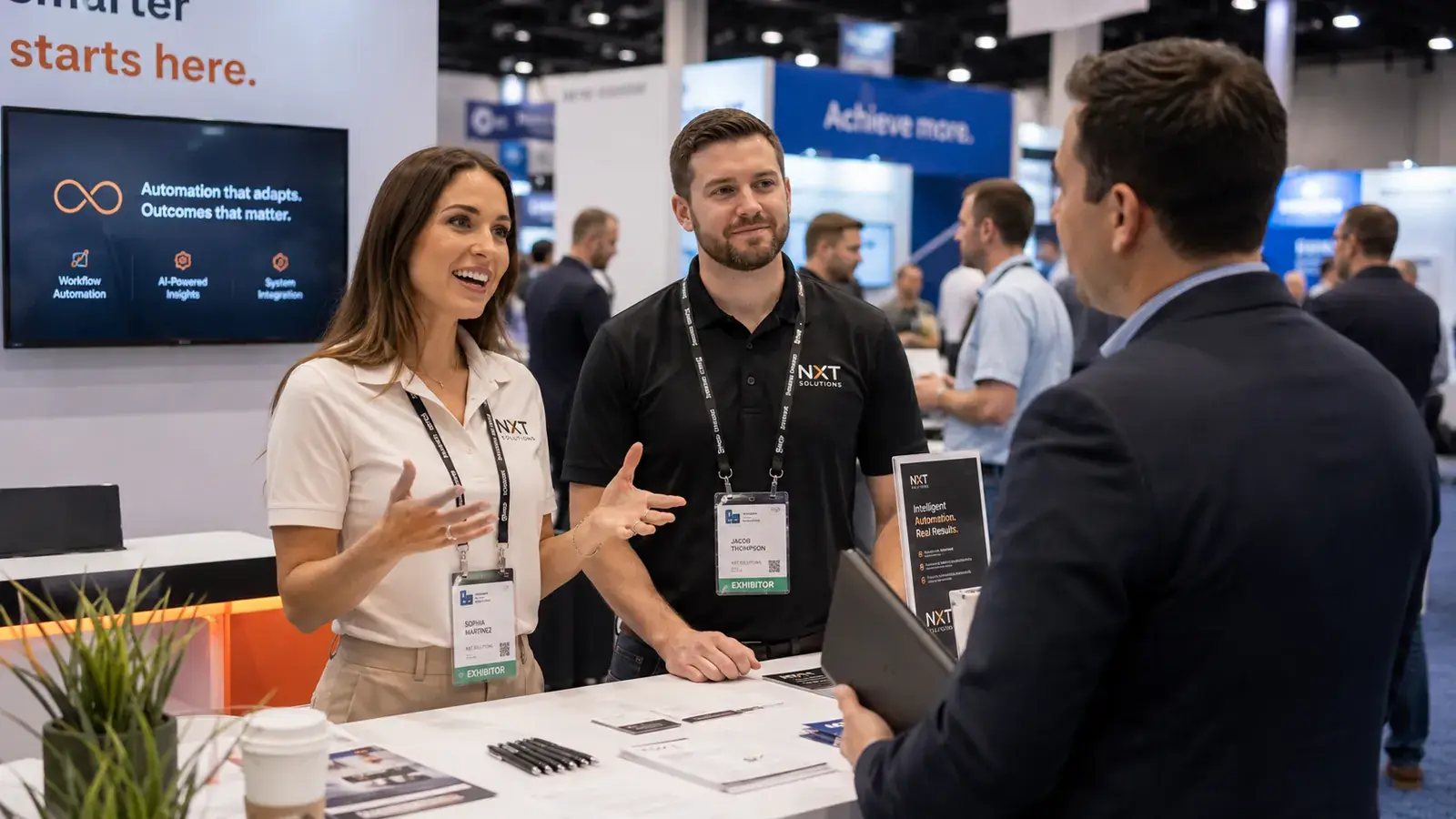
Master the opener. Replace "Can I help you?" (a reflexive "no") with an open question tied to the show or the prospect's world - "What brought you to the show this year?"
Practice qualification. Agree on questions about the visitor's needs, role and next step. Record the fields your sales team actually uses. Review the lead qualification scripts and lead capture guide when designing the conversation.
Know the handoff. Define who greets and qualifies, who demos, and who handles a hot prospect, so nobody gets stuck and no buyer gets dropped.
Work the floor, not the carpet. Assign welcoming positions that keep aisles and access routes clear. Plan breaks, seating and relief around the roles and shift lengths. Use the booth staffing calculator to test coverage assumptions.
Capture discipline. Practice the approved capture tool. Record the visitor's stated need, agreed next step and responsible sales contact, following the event's consent and data-handling requirements.
Disengage gracefully. A polite, practiced way to close a conversation that's going nowhere - so good staff stay available for the prospects who matter.
"But can outside staff really represent my brand?"
Outside staff need an assignment-specific brief and clear limits on what they can answer. Prepare the team around the work they will perform:
- Brief before the show. Provide an approved introduction, likely visitor questions and a qualification flow. Technical, clinical or regulated discussions may require specialists; define the escalation path before the show.
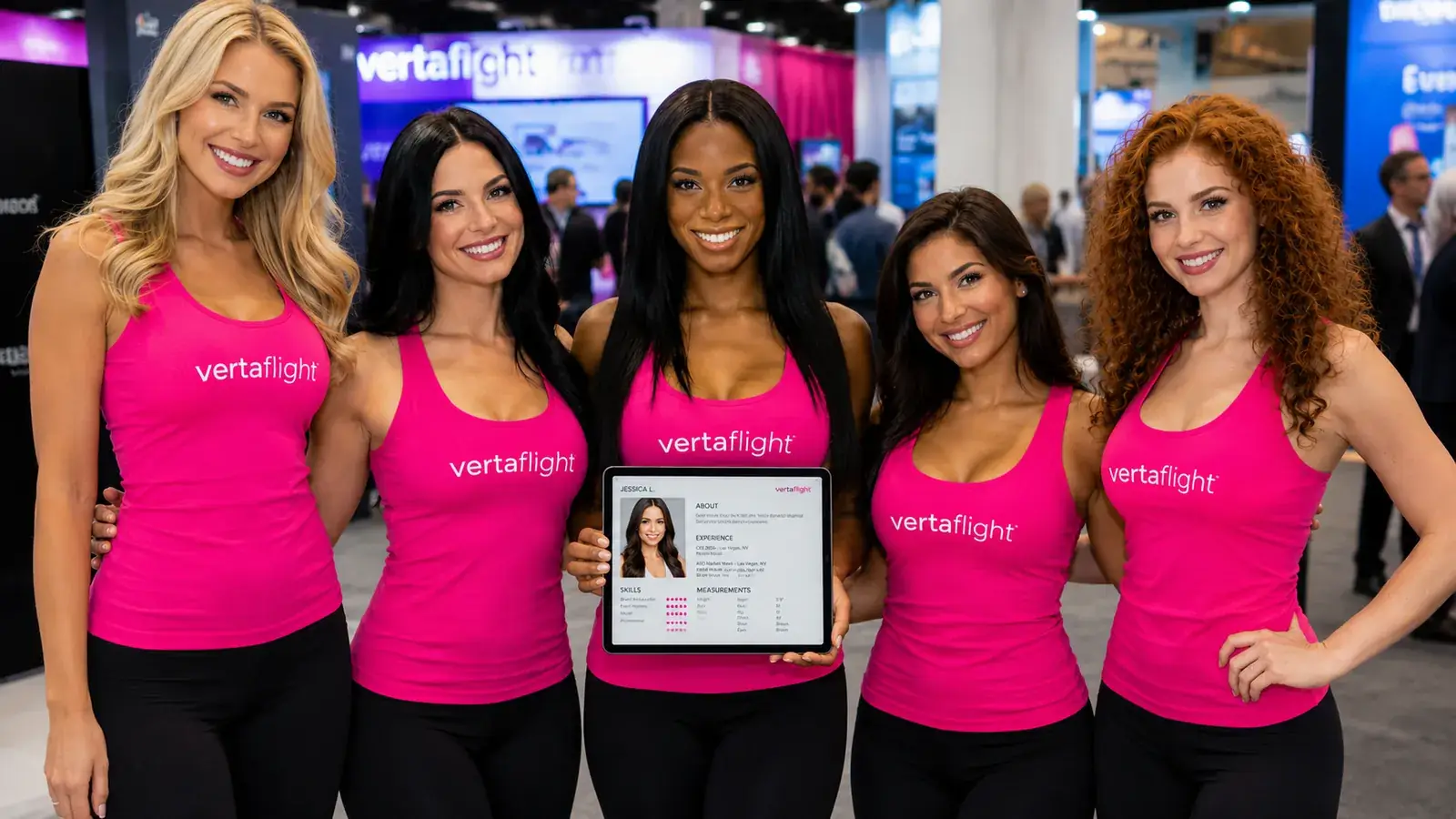
- Pair roles to strengths. Put trained staff and brand ambassadors on the front line to greet, draw traffic, and qualify - and keep your own product experts free for demos and serious technical conversations. The ambassadors widen the funnel; your experts close it.
During rehearsal, test whether a visitor can move from greeting to the appropriate specialist without repeating the same information.
How to check readiness
Run a scheduled arrival, a walk-up product enquiry and a visitor arriving while sales is busy. Check who acknowledges the visitor, who accepts the handoff and what gets recorded. Use the booth hostess greeting and check-in guide when rehearsing the welcome position.
Check training against observable tasks: can each person deliver the approved introduction, recognize a qualified visitor, record useful notes and hand the conversation to the right colleague? Review sample lead records together and correct gaps before the next shift.
Compare your internal team's capacity with the roles you need to hire. Confirm relevant experience, local availability, travel costs and event-specific briefing responsibilities in the staffing proposal.
The takeaway
Use the checklist as a working brief. Rehearse the visitor flow, confirm relief coverage and give the team a named contact for questions. Review what happened after each shift and update the plan where needed.
Discuss your trade show staffing and brand ambassador requirements with TSM. Include the event, roles, approved materials and briefing schedule so the preparation scope can be confirmed.