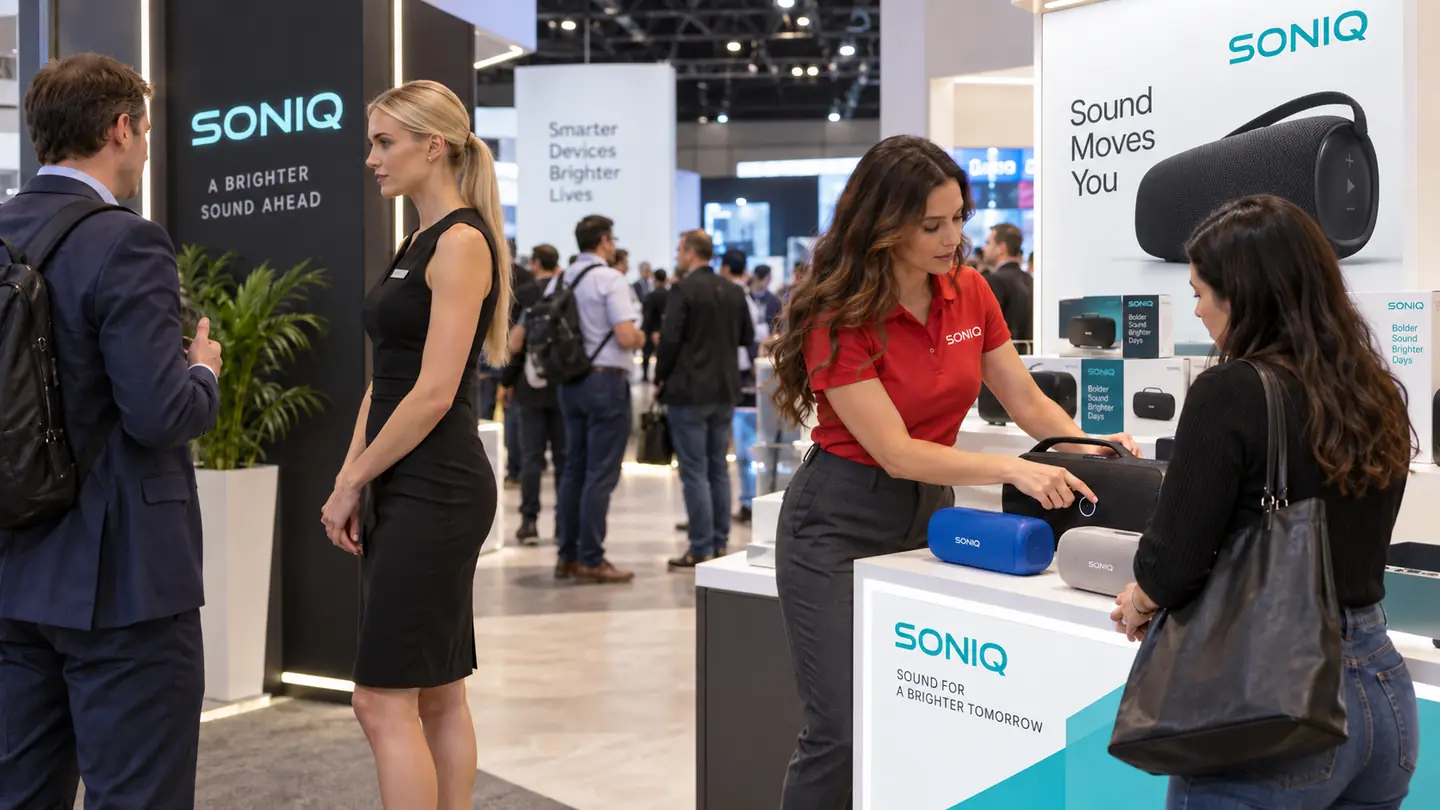
Trade Show Models vs. Brand Ambassadors
The titles overlap, but the work environment and center of gravity differ. Define the assignment before choosing the label.
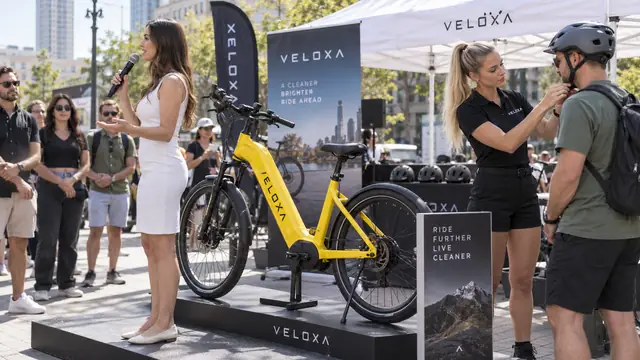
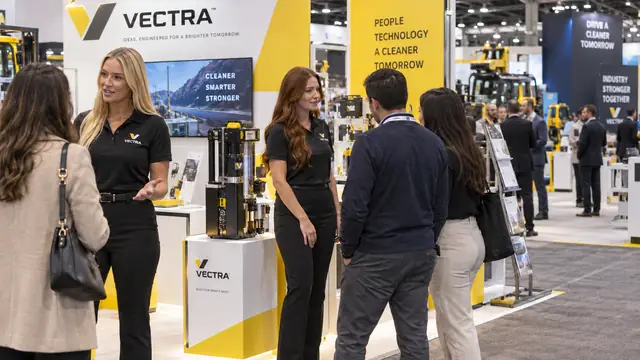
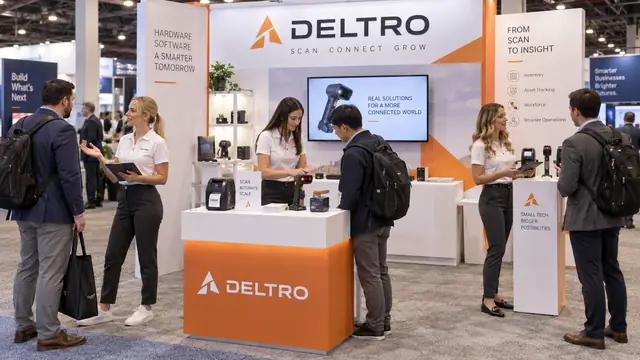
Trade show models specialize in exhibition booths and convention floors. Brand ambassadors represent a brand across a wider range of live campaigns, including retail activations, sampling, street teams, sports events, launches, conferences, and trade shows.
Either person may greet, explain, scan, sample, demonstrate, or qualify. Industry terminology is inconsistent, so the reliable distinction is the actual work, selection standard, and desired visitor action.
For campaign representation beyond the booth, compare brand ambassador staffing with trade show model duties at each stage of the visitor journey.
When the Trade Show Model Role Fits
Use trade show models when convention-floor experience and booth presentation are central. Look for demonstrated experience with aisle engagement, exhibitor etiquette, long show shifts, badge systems, scheduled demos and sales handoffs. Confirm those skills in selection rather than assuming them from the job title.
The role can range from high-visibility host to trained qualifier or demonstrator. A model selected for presentation alone should not be assumed to possess technical fluency or sales skill; those requirements belong in the casting scorecard.
When the Brand Ambassador Role Fits
Use brand ambassadors when the campaign emphasizes message delivery, consumer education, sampling, surveys, data capture, recurring activation behavior, or multi-market consistency. They are often selected for conversation, brand voice, product retention, and campaign execution.
Brand ambassadors can work trade shows. When they do, show-floor experience and booth workflow should become part of the selection and training process.
Practical Differences to Specify
Trade show model assignments more often emphasize exhibition experience, booth presence, visitor flow, formal presentation, scheduled demos, and coordination with a sales team. Brand ambassador assignments more often emphasize campaign messaging, consumer conversation, sampling, feedback, and repeated activation procedures.
Both roles may require bilingual ability, technical learning, data accuracy, specialty wardrobe, or leadership. Those are additional skills, not automatic features of either title.
When to Use Both
A blended team is useful when the booth has distinct traffic and conversion jobs. Assign welcome, visitor routing, product conversation, feedback and activation work according to each person’s demonstrated skills and training. Either title can cover compatible duties; keep technical or commercial decisions with the designated specialists.
Small booths may combine these responsibilities in one well-selected person. Larger booths should separate conflicting duties so nobody abandons the aisle to run a ten-minute demo or leaves a technical discussion to scan a giveaway visitor.
How to Name the Role in Your Brief
List the outcome, duties, audience, product depth, required experience, attire, lead system, language, schedule, and KPI. Let the agency recommend the market-facing title after understanding the job. This produces a better shortlist than requesting two models or three ambassadors without context.
Frequently Asked Questions
Are trade show models and brand ambassadors the same?
Which role is better for trade show lead generation?
Can I use brand ambassadors at a convention booth?
Should a booth use both roles?
Does a brand ambassador automatically know our product?
What information helps an agency recommend the right role?
Sources and methodology
TSM Agency combined two decades of event-staffing experience with current exhibitor guidance and the sources below. Rates and venue rules change; confirm final requirements for your show and market.