How to Hire Product Demonstrators
A demonstrator is part presenter, part product educator, and part traffic manager. Select and train for all three jobs.
A polished presentation cannot rescue an inaccurate demonstration. A technical expert who cannot hold attention will not create enough completed demos. The right demonstrator combines learning speed, clear delivery, safe product handling, audience awareness, and a disciplined transition to capture or sales.
Define the demo outcome before casting. Decide what the visitor should understand, experience, believe, and do next. Then build the audition and training around that result.
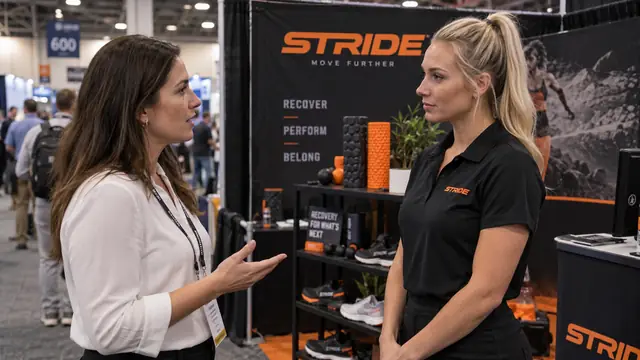
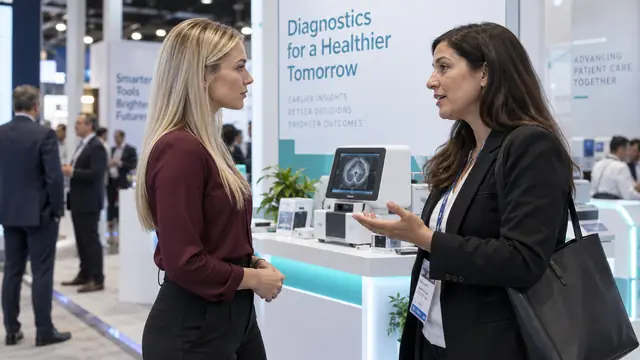
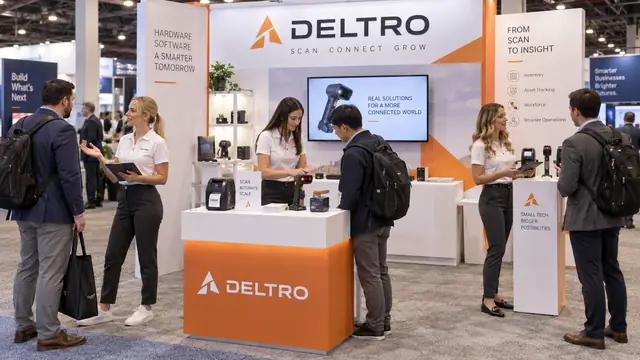
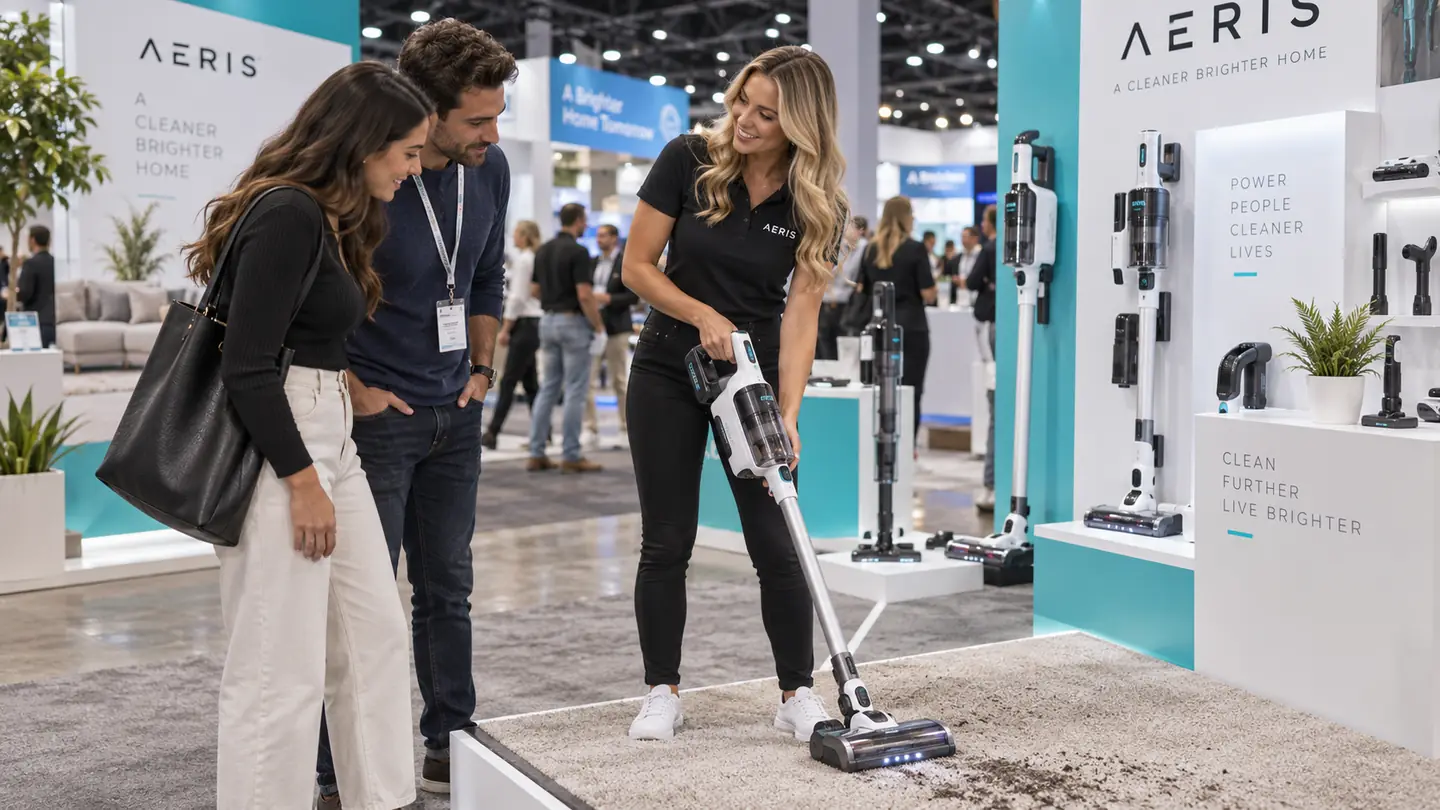
For hands-on trials and scripted demonstrations, review product demonstrators for hire. When the demo needs a separate welcome and lead-capture team, scope trade show booth staffing around the full visitor journey.
Define the Demonstrator's Role
Assign the work before choosing job titles. Identify who welcomes visitors, qualifies interest, delivers the approved demonstration, answers advanced technical questions and owns commercial follow-up. An ambassador may also demonstrate a product when their skills and preparation support that assignment.
One person can combine roles at a low-volume booth, but the workflow must stay clear. During peak periods, a greeter should route appropriate visitors to the demo instead of making the demonstrator stop repeatedly to screen traffic.
Agree who releases the next visitor to the station and how the demonstrator signals that a reset is complete. Use the booth hostess duties guide to define the welcome and routing work separately from the demonstration.
Build a Hiring Scorecard
Score candidates on presentation, learning speed, listening, product or industry baseline, question handling, physical and technical requirements, lead handoff, reliability, and fit with the audience.
- Presentation: clear voice, purposeful pacing, eye contact, and the ability to hold attention without sounding scripted.
- Teachability: accurate retention after a short brief and willingness to accept correction.
- Judgment: knows when to answer, when to say they will verify, and when to route to a specialist.
- Operation: can reset the station, manage materials, follow safety instructions, and maintain demo cadence.
- Conversion: can move naturally from the product benefit to a scan, meeting, trial, or specialist conversation.
Audition the Actual Work
Give the candidate a short product brief and preparation time, then ask for a sample demo. For example, a 60- to 90-second exercise can test concise delivery; choose the length around your actual product and audience. Then ask for a teach-back, a response to a common objection, an equipment-recovery scenario, and a handoff to a technical or sales colleague.
For complex products, test the ability to learn concepts rather than expecting existing mastery of your exact device. For regulated or safety-sensitive products, require the relevant background, credential, or specialist supervision.
Create the Demo Kit
The training kit should contain the audience, approved claims, feature-to-benefit map, short and extended demo versions matched to your visitor flow, operating steps, safety instructions, common questions, prohibited statements, escalation list, qualification criteria, call to action, and reset checklist.
Provide real or representative equipment. A slide deck cannot replace hands-on repetition when the person must operate a device, software workflow, vehicle feature, dispenser, or physical display.
Train Under Show Conditions
Rehearse with floor noise, interruptions, short attention spans, and questions arriving out of order. Practice transitions from greeter to demonstrator, demonstrator to specialist, and demonstrator to lead capture.
Schedule reset time, breaks, replenishment, charging, sanitation where applicable, and a backup unit. Name the person authorized to answer questions outside the script. Never reward improvisation on safety, performance, health, or regulated claims.
Measure Demo Performance
Track completed demos, qualified-demo rate, completion rate, scan or call-to-action rate, question escalations, downtime, and station reset failures. Traffic and applause can be useful context, but they do not show whether the demo moved appropriate prospects forward.
Frequently Asked Questions
What makes a good product demonstrator?
Does a product demonstrator need to be technical?
How long should demonstrator training take?
Can a brand ambassador run product demos?
What should a demonstrator do when a visitor asks something outside the approved script?
What information should we provide when requesting demonstrators?
Sources and methodology
TSM Agency combined two decades of event-staffing experience with current exhibitor guidance and the sources below. Rates and venue rules change; confirm final requirements for your show and market.